
Do You Need a License to Fly a Spraying Drone? Simple Guide for Farmers in 2026
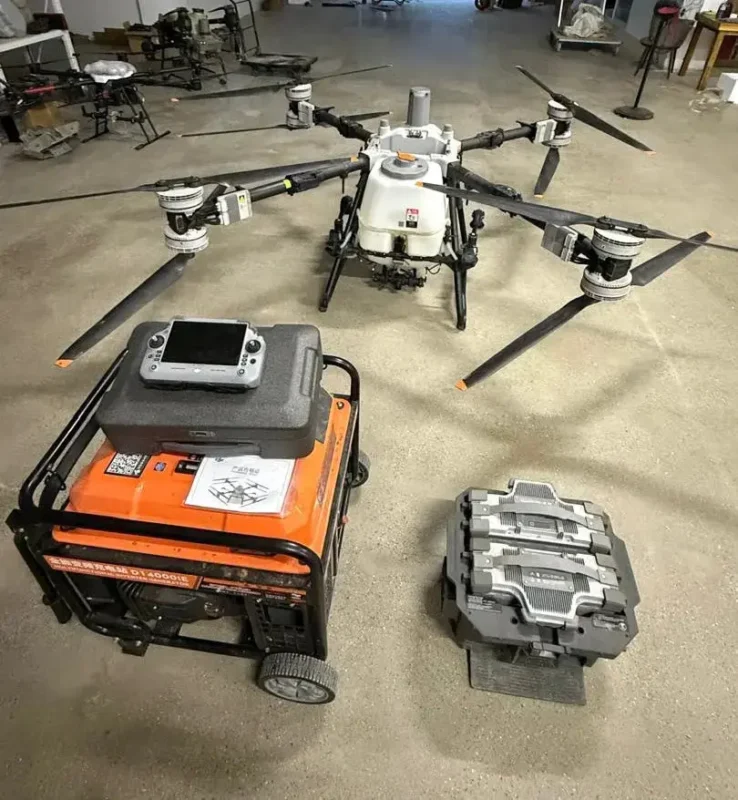
If you have been thinking about buying a spraying drone for your farm, you are probably asking one big question:
“Do I need a license to fly it?”
The short answer is yes — in most countries, you usually need some type of approval, training, or license before flying a spraying drone. But here’s the thing: the rules are not as scary as many people think.
In fact, thousands of farmers are already using agricultural drones every day to spray crops, save time, and reduce labor costs.
And honestly, once you understand the basics, the process becomes much easier.
Whether you are looking at a DJI Agras drone for your small farm or planning a large commercial spraying business, this guide will help you understand what you need before taking off.
Why Spraying Drones Need Special Rules
Imagine this.
A normal camera drone takes pictures from the sky. That is already regulated in many countries.
Now think about a spraying drone. It carries liquid chemicals, flies over crops, and covers large areas fast. Because of that, governments usually place extra rules on agricultural drones.
These rules are mainly about:
- Safety
- Chemical handling
- Airspace control
- Protecting nearby people and farms
- Responsible pesticide use
You know, it actually makes sense when you think about it.
A spraying drone like the DJI Agras T50 or DJI Agras T40 is powerful equipment. It is not just a toy drone for fun videos.
So, Do You Need a License?
In many countries, yes.
You may need:
- A drone pilot license
- Agricultural spraying approval
- Drone registration
- Pesticide handling certification
- Commercial drone permit
The exact requirement depends on your country.
For example:
In the United States
Farmers usually need:
- FAA drone registration
- Part 107 drone pilot certificate
- Special approval for spraying chemicals
In Europe
Many European countries require:
- Drone operator registration
- Pilot training
- Insurance
- Approval for agricultural spraying
In Africa and Asia
The rules are growing quickly. Some countries already require permits, while others are still developing drone laws.
Here’s the important part:
Always check your local aviation authority before flying.
What Happens if You Fly Without a License?
Some people try to skip the process. That can become expensive.
Depending on your country, flying illegally may lead to:
- Heavy fines
- Drone confiscation
- Insurance problems
- Farm spraying restrictions
And honestly, no farmer wants that stress.
It is better to get legal from the beginning.
Is It Hard to Get Licensed?
Usually, no.
Most drone licensing programs are designed for regular people, not aviation experts.
The training often covers:
- Basic drone safety
- Weather conditions
- Flight planning
- Emergency procedures
- Chemical spraying safety
Many farmers complete the process in just a few days or weeks.
Some training can even be done online.
Why Farmers Are Switching to Spraying Drones
Now here’s where things get interesting.
Even with licensing requirements, farmers around the world are still rushing to buy agricultural drones.
Why?
Because the benefits are huge.
Faster Spraying
A spraying drone can cover large farmland much faster than manual spraying.
Lower Labor Costs
You need fewer workers for crop treatment.
Better Precision
The drone sprays only where needed, helping reduce waste.
Access Difficult Areas
Wet fields, muddy land, and steep farms become easier to manage.
Reduced Chemical Exposure
Farm workers avoid direct contact with pesticides.
That is one reason many farmers are now investing in DJI Agras drones from DJI Agri Drones.
Which DJI Spraying Drones Are Popular?
Some of the most popular models include:
- DJI Agras T25
- DJI Agras T40
- DJI Agras T50
These drones are widely used for:
- Crop spraying
- Fertilizer spreading
- Farm mapping
- Precision agriculture
Many farmers choose them because they save time and improve efficiency during planting and spraying seasons.
Tips Before Buying a Spraying Drone
Before you buy, here are a few smart things to check:
1. Understand Your Country’s Drone Laws
This should always come first.
2. Buy from a Trusted Supplier
You want genuine products, support, and spare parts availability.
3. Consider Battery and Payload Size
Larger farms usually need bigger drone tanks and longer flight time.
4. Ask About Training
Some suppliers offer pilot training and setup support.
5. Think Long-Term
A good agricultural drone is an investment that can save money over time.
FAQ
Can I fly a spraying drone without experience?
Yes, but you still need training. Most beginners learn quickly with proper guidance.
Are spraying drones legal?
Yes, in many countries they are legal, but they are regulated. You usually need approval or registration.
How much does a spraying drone license cost?
The price depends on your country. Some licenses cost under a few hundred dollars, while commercial approvals may cost more.
Do small farms need a drone license too?
In many places, yes. Even small farm operations may require registration or certification.
Which drone is best for crop spraying?
Many farmers prefer DJI Agras models because they are reliable and designed for agricultural work.
Final Thoughts
So, do you need a license to fly a spraying drone?
Most likely, yes.
But do not let that stop you.
The process is often simpler than people expect, and the benefits of agricultural drones can completely change how a farm operates.
Imagine spraying your crops faster, using fewer chemicals, and saving hours of hard work every week.
That is exactly why agricultural drones are becoming part of modern farming everywhere.
If you are ready to explore professional spraying drones, visit DJI Agri Drones to learn more about the latest DJI Agras models for smart farming.