
Agricultural Drone Benefits: How Smart Farming Is Changing Agriculture Forever (Simple Guide for Farmers)
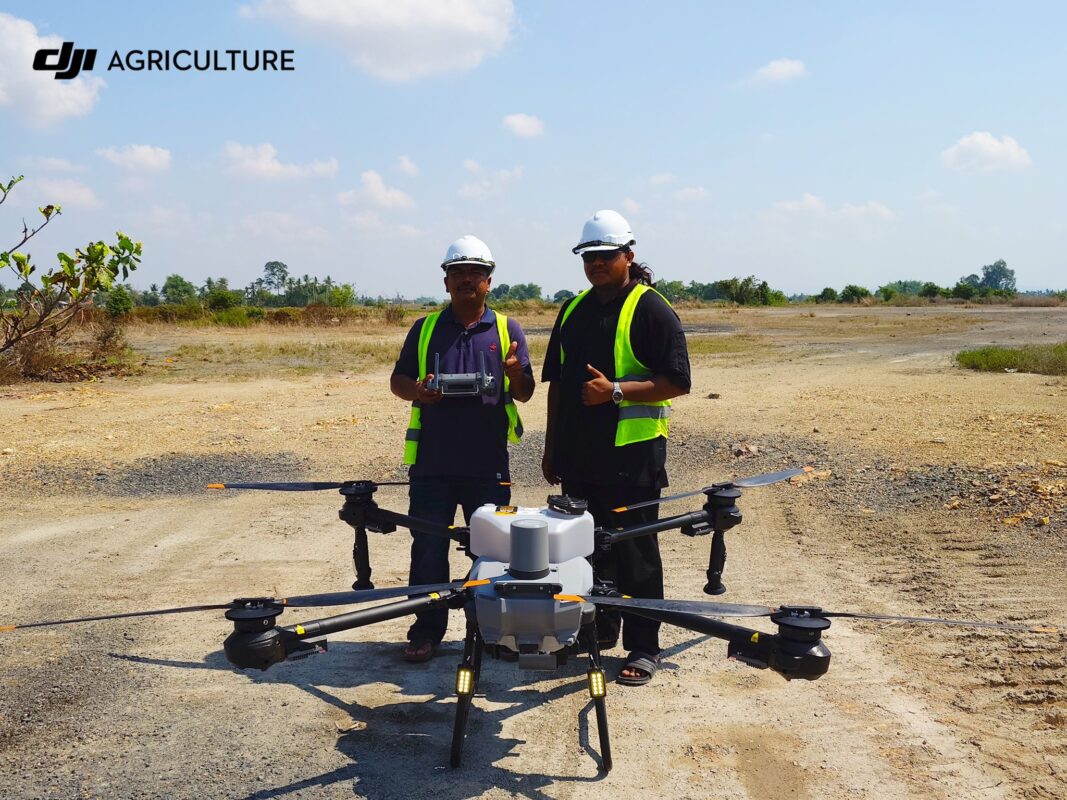
Agricultural Drone Benefits
Farming has always been hard work.
If you’ve ever stepped into a field early in the morning, you already know what that means. Mud on your boots. Sun getting hotter. Long hours ahead. And still, so much to do.
But something is changing that story.
Right now, all over the world, farmers are starting to use agricultural drones—and the difference is huge.
Not small change. Big change.
We’re talking about faster spraying, less work, better crop results, and a completely new way of farming.
And honestly, once you see it in action, you start thinking:
“Why didn’t we have this before?”
Let’s break it down in a simple, real way.
What Is an Agricultural Drone?
Before we talk about benefits, let’s keep it simple.
An agricultural drone is a flying machine used on farms to help with farming tasks like:
- Spraying pesticides
- Spreading fertilizer
- Checking crop health
- Mapping fields
- Saving farm time and labor
Instead of walking through fields or using heavy machines, farmers now use drones to do the job from the sky.
One example of this modern farming technology is available at DJI Agri Drones, where agricultural spraying drones are designed for large-scale farming and precision work.
Why Agricultural Drones Are Becoming So Popular
Let’s be real.
Farming is getting harder every year.
- Labor costs are rising
- Weather is unpredictable
- Farms are getting larger
- Time is always limited
So farmers needed something smarter.
And drones came at the perfect time.
They don’t replace farmers.
They help farmers do more with less stress.
That’s the key idea.
Major Agricultural Drone Benefits (Simple Breakdown)
Now let’s go into the real benefits that matter.
Not theory. Real-life impact.
1. Saves a Huge Amount of Time
This is probably the biggest benefit.
Let’s imagine a rice farm.
Before drones:
- Spraying takes 1–3 days
- Workers walk through muddy fields
- Everything is slow and tiring
Now with drones:
- The same job can be done in a few hours
Yes, hours.
Not days.
Not weeks.
Just hours.
That’s why farmers are switching so fast.
Because time matters in farming.
If pests spread overnight, crops can be damaged quickly.
Drones help stop that.
2. Reduces Hard Physical Work
Let’s be honest—farming is physically tough.
Carrying a heavy spray tank on your back is not easy. Walking through wet rice fields is even worse.
But with agricultural drones:
- No heavy spraying tanks
- No walking in mud for hours
- No exhausting manual labor
The farmer simply controls the drone.
Imagine standing at the edge of your field, watching the work get done in the air instead of doing it yourself step by step.
That’s a big change in daily life.
3. More Accurate Spraying
This is where drones really shine.
Manual spraying can be:
- Uneven
- Wasteful
- Inconsistent
But drones spray:
- Evenly across the field
- In straight lines
- With controlled flow
This means:
✔ Less chemical waste
✔ Better crop protection
✔ Healthier plants
And healthier plants usually mean better harvest.
That’s money saved and money earned.
4. Works on Large Farms Easily
One of the biggest problems in farming today is scale.
Farms are getting bigger.
And manual labor can’t always keep up.
But agricultural drones can cover large areas quickly.
They are designed for:
- Rice farms
- Corn farms
- Wheat farms
- Plantation farming
- Commercial agriculture
With the right setup, drones can spray many acres in a single day.
This is why platforms like DJI Agri Drones are becoming popular for large-scale farming operations.
5. Uses Less Chemical Product
Here’s something many farmers don’t expect.
Drones don’t just save time.
They also save chemicals.
Because spraying is more precise, farmers often use:
- Less pesticide
- Less fertilizer
- Less water mix
But still get better coverage.
That means:
✔ Lower cost
✔ Less waste
✔ More eco-friendly farming
It’s good for your pocket and the environment.
6. Safer for Farmers
This is important.
Traditional spraying exposes farmers to chemicals.
That can affect:
- Skin
- Breathing
- Long-term health
With drones:
- Farmers stay away from chemicals
- No direct contact with sprays
- Safer working conditions
So farming becomes less risky.
7. Can Work in Difficult Field Conditions
Let’s talk real life again.
Some fields are:
- Wet
- Muddy
- Hard to walk through
- Slippery
- Wide and open
In these conditions, manual spraying becomes very difficult.
But drones?
They fly above everything.
Rainy season? Still usable (depending on safety rules).
Mud everywhere? No problem.
Large field? Easy.
This flexibility is a huge advantage.
8. Helps Improve Crop Yield
At the end of the day, farming is about results.
More crops = more income.
Agricultural drones help improve yield because:
- Spraying is more consistent
- Crops are protected better
- Pest control is faster
- Fertilizer is distributed evenly
When crops grow healthier, harvest improves.
Simple as that.
9. Better Farm Management and Data
Modern agricultural drones don’t just spray.
They can also:
- Map fields
- Check crop health
- Identify weak areas
- Help plan farming strategies
This means farmers can make smarter decisions instead of guessing.
Types of Agricultural Drone Benefits by Use
Different farming tasks get different benefits:
Spraying drones
- Faster pesticide application
- Even chemical distribution
Mapping drones
- Better field planning
- Crop monitoring
Precision drones
- Smarter fertilizer use
- Reduced waste
Are Agricultural Drones Worth It?
This is a common question.
At first, drones may feel expensive.
But over time, they help farmers:
- Save labor costs
- Reduce chemical costs
- Increase crop yield
- Work faster
So many farmers see drones as an investment, not just a tool.
Tips for Getting the Best Results
If you’re using agricultural drones, keep these in mind:
✔ Learn proper training before use
✔ Plan your field routes
✔ Maintain batteries properly
✔ Use correct spray settings
✔ Check weather before flying
These small things make a big difference.
The Future of Farming with Drones
Here’s what’s coming next:
- AI-powered crop detection
- Fully automated spraying
- Smart farming systems connected to apps
- Drone fleets working together
Farming will become more digital, more precise, and less physically demanding.
And honestly, that future is already starting now.
Frequently Asked Questions
1. What are the main benefits of agricultural drones?
They save time, reduce labor, improve spraying accuracy, and increase crop yield.
2. Are agricultural drones good for rice farming?
Yes. Rice farming is one of the best uses because fields are large and hard to access.
3. Do drones replace farm workers?
Not fully. They reduce heavy manual work but still need skilled operators.
4. How many acres can agricultural drones cover?
Depending on the model, they can cover many acres per hour and large farms in a single day.
5. Are agricultural drones expensive?
They can be expensive at first, but they save money long-term through efficiency.
6. Where can I buy agricultural drones?
You can explore professional farming solutions at DJI Agri Drones.
Final Thoughts
Agricultural drones are changing farming in a real and practical way.
They are not just machines.
They are tools that help farmers:
- Work faster
- Save money
- Reduce stress
- Grow better crops
And as more farmers adopt this technology, agriculture is becoming smarter, cleaner, and more efficient.
For modern farming businesses like DJI Agri Drones, this is just the beginning of a much bigger transformation.