
How Many Acres Can a Drone Spray Per Day? Full Guide for Farmers in 2026
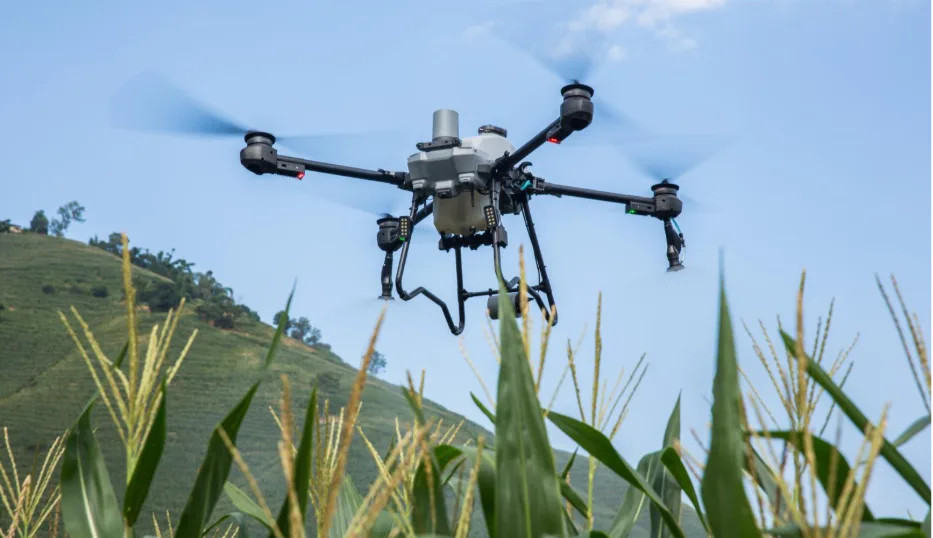
If you’ve ever watched a crop spraying drone fly across a field, you probably asked yourself, “How much land can that thing actually cover in one day?”
Well, here’s the thing — agricultural drones are much faster than most people think.
A modern spray drone can cover anywhere from 100 to 500+ acres per day, depending on the drone model, battery setup, crop type, weather, and pilot experience.
And honestly, for many farmers, that changes everything.
Imagine this. Instead of spending long hours driving a tractor through muddy fields, a drone can finish the same work faster, use less chemical, and reach places tractors simply can’t go.
That’s one big reason more farmers are switching to spraying drones every year.
Average Acres a Drone Can Spray Per Day
Let’s keep it simple.
Here’s a rough estimate for popular agricultural spray drones:
| Drone Model | Average Acres Per Day |
|---|---|
| DJI Agras T25 | 100–200 acres |
| DJI Agras T40 | 250–400 acres |
| DJI Agras T50 | 300–500+ acres |
Of course, these numbers are not fixed. Some operators spray even more during long workdays with extra batteries and support crews.
For example, a well-organized farm team using the DJI Agras T50 can cover huge areas in one day when conditions are good.
What Affects Drone Spraying Capacity?
Now, you know, it’s not only about the drone itself. Several things affect how many acres can be sprayed daily.
1. Drone Tank Size
Bigger tanks mean fewer stops for refilling.
A drone with a larger spray tank can stay in the air longer and cover more land before returning.
That’s why larger models like the DJI Agras T40 and DJI Agras T50 are popular for commercial farming.
2. Battery Setup
This part matters a lot.
Most agricultural drones use high-capacity batteries. Operators usually rotate several batteries during the day.
If you only have one battery, work slows down. But with multiple batteries and a fast charger, the drone can keep flying almost nonstop.
3. Crop Type
Not all fields are the same.
Rice fields, corn farms, orchards, and vineyards all require different spray patterns.
Tall crops or trees may reduce daily coverage because the drone must fly slower for better accuracy.
Flat open farmland is usually the fastest to spray.
4. Weather Conditions
Wind can affect spraying accuracy.
Rain can stop operations completely.
Calm weather helps drones spray more efficiently and safely. Most operators prefer working early in the morning or late afternoon when winds are lower.
5. Pilot Experience
A skilled drone operator can finish jobs much faster.
Experienced pilots know how to plan flight routes, manage batteries, refill quickly, and avoid downtime.
And honestly, after a few weeks of practice, many operators become much more efficient.
Why Farmers Are Choosing Spray Drones
Let’s be real. Farming costs keep rising.
Fuel costs more. Labor costs more. Equipment maintenance never seems to end.
That’s where agricultural drones really help.
Many farmers report these benefits after switching to drone spraying:
- Faster spraying times
- Less chemical waste
- Lower labor costs
- Better coverage on difficult terrain
- Reduced crop damage from tractors
- Easier access to wet or muddy fields
And here’s something people often forget — drones can also help during emergency situations when crops need quick treatment.
That speed can save an entire harvest.
How Much Chemical Can Drones Save?
This surprises many people.
Agricultural drones often use less water and fewer chemicals compared to traditional spraying methods.
Because the spray is targeted more precisely, farmers can reduce waste while still getting strong crop coverage.
Over time, that can mean major savings.
Are Agricultural Drones Worth It?
For small farms, renting a drone service may be enough.
But for medium and large farms, buying a spray drone can become a smart long-term investment.
Many commercial operators also make money by offering spraying services to nearby farms.
So the drone does not only save money — it can also create income.
That’s why demand for drones like the DJI Agras T25 keeps growing around the world.
Best Drone for Large Acreage Farms
If your goal is maximum daily coverage, larger drones are usually the better choice.
Farmers handling hundreds of acres often choose high-capacity models because they:
- Carry more liquid
- Spray wider areas
- Reduce refill time
- Increase daily productivity
For commercial spraying businesses, this can make a huge difference during busy farming seasons.
You can explore professional agricultural spraying drones at DJI Agri Drones.
Frequently Asked Questions
How many acres can a DJI Agras drone spray in one hour?
Depending on the model and field conditions, many DJI Agras drones can spray between 10 and 50 acres per hour.
Can a drone replace a tractor sprayer?
In some cases, yes.
Drones work especially well for difficult terrain, muddy farms, orchards, and precision spraying. However, some large farms still use both tractors and drones together.
How long does a spray drone battery last?
Most agricultural drone batteries last around 10 to 20 minutes per flight, depending on payload and weather conditions.
Operators usually rotate multiple batteries during work.
Is drone spraying profitable?
Yes. Many farmers and drone service providers earn good income from agricultural spraying services, especially during planting and crop treatment seasons.
Which agricultural drone is best for commercial farming?
Popular options include the DJI Agras T25, DJI Agras T40, and DJI Agras T50 because of their spraying power, efficiency, and reliability.
Final Thoughts
So, how many acres can a drone spray per day?
For most modern agricultural drones, the answer is somewhere between 100 and 500+ acres daily.
But honestly, the real story is not just about acreage.
It’s about saving time, reducing labor, improving efficiency, and helping farmers work smarter.
And you know what? Agricultural drones are no longer “future technology.” They are already changing farms today.
If you want to learn more about professional spraying drones, battery systems, and farm solutions, visit DJI Agri Drones Official Website.