Crop Spraying Drones in Africa: The Future of Smart Farming Has Arrived
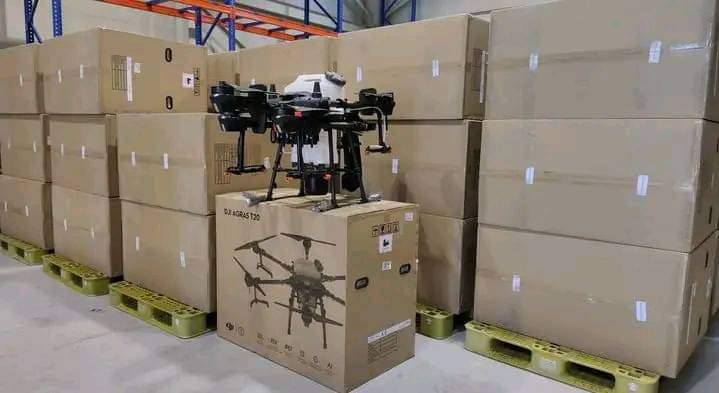
Crop Spraying Drones in Africa
Across Africa, farming is changing fast.
A few years ago, many farmers still sprayed crops by hand. Some carried heavy tanks on their backs for hours under the hot sun. Others hired large teams to cover big farms, spending more money and time every season.
Today, things look different.
In countries like Kenya, Nigeria, Ghana, South Africa, Zambia, and Cameroon, crop spraying drones are helping farmers work smarter. These agricultural drones can spray large farms quickly, reduce chemical waste, and improve crop health with amazing precision.
For many African farmers, this is no longer “future technology.” It is already becoming part of everyday farming.
At DJI Agri Drones, farmers and agribusiness owners can find modern agricultural drone solutions designed for spraying, mapping, and precision farming.
Why Crop Spraying Drones Matter in Africa
Africa has some of the world’s most important agricultural land. Millions of families depend on farming for income and food. But farmers also face serious challenges:
- Labor shortages
- High chemical costs
- Climate change
- Pest outbreaks
- Poor access to machinery
- Uneven spraying results
This is where crop spraying drones make a huge difference.
Instead of spending days spraying fields manually, a drone can finish the work in just a few hours. Farmers save time, reduce costs, and protect crops more effectively.
Imagine a maize farmer in northern Ghana during the rainy season. The fields are muddy, workers are hard to find, and pests are spreading fast. A spraying drone can fly over the crops without damaging them and apply treatment evenly across the entire farm.
That speed can save an entire harvest.
What Is a Crop Spraying Drone?
A crop spraying drone is an unmanned aircraft designed to spray fertilizers, pesticides, herbicides, and other crop treatments.
These drones use GPS systems, smart sensors, and automated flight paths to spray crops accurately. Most modern agricultural drones can:
- Follow pre-planned routes
- Avoid obstacles
- Spray evenly
- Cover large areas quickly
- Reduce chemical waste
- Operate with minimal labor
Popular models like the DJI Agras series are now widely used in commercial farming operations across Africa.
Farmers looking for advanced spraying solutions often explore models such as the:
- DJI Agras T25P
- DJI Agras T40 Agricultural Drone
- DJI Agras T50 Agricultural Drone Sprayer
- DJI Agras T100 Agro Sprayer Drone
These drones are built for precision agriculture and large-scale spraying operations.
The Biggest Benefits of Agricultural Spraying Drones
1. Faster Spraying
One of the biggest advantages is speed.
A drone can spray several hectares in a short time. What once took an entire day with manual labor can now be done before lunch.
This is especially important during pest outbreaks when every hour matters.
2. Lower Labor Costs
Finding reliable farm labor is becoming harder in many African countries. Labor costs are also rising.
With a spraying drone, fewer workers are needed. One trained operator can manage large spraying operations efficiently.
For commercial farms, that can mean major savings over time.
3. Better Crop Protection
Manual spraying often leads to uneven coverage. Some areas receive too much chemical, while others receive too little.
Drones spray more consistently.
This helps protect crops from diseases, insects, and weeds while improving overall crop health.
4. Reduced Chemical Waste
Precision spraying means farmers use only the amount needed.
That reduces waste and lowers chemical costs. It also helps protect the environment by reducing runoff into nearby water sources.
5. Safer for Farmers
Traditional spraying exposes workers to harmful chemicals.
Drones allow farmers to spray crops remotely, reducing direct contact with pesticides and herbicides.
This creates a safer working environment.
How Crop Spraying Drones Help African Farmers Increase Yields
Healthy crops produce better harvests.
When spraying is done on time and evenly, plants stay healthier throughout the growing season. This can improve yields significantly.
Many farmers using agricultural drones report:
- Better pest control
- Stronger crop growth
- Less crop damage
- More efficient fertilizer application
- Higher production levels
For high-value crops like cocoa, coffee, sugarcane, rice, maize, and vegetables, precision spraying can make a huge financial difference.
The Growing Demand for Drone Farming in Africa
Agricultural technology is growing quickly across the continent.
Governments, agritech companies, and private farms are investing more in drone farming because the results are clear.
Several African countries are already seeing strong growth in precision agriculture:
- Kenya
- Nigeria
- South Africa
- Rwanda
- Ghana
- Zambia
- Tanzania
- Cameroon
Young entrepreneurs are also starting drone spraying businesses, offering spraying services to local farmers who may not yet own a drone themselves.
This creates new jobs while improving food production.
Choosing the Right Agricultural Drone
Not every farm needs the same drone.
Small farms may prefer compact models, while large commercial farms often need high-capacity drones with larger spray tanks and longer flight times.
When choosing a crop spraying drone, farmers should consider:
Farm Size
Larger farms usually need drones with bigger tanks and stronger battery systems.
Battery Life
Longer battery life improves productivity during spraying operations.
Payload Capacity
Higher payload capacity means fewer refills during spraying.
Ease of Use
Modern DJI Agras drones are designed with smart automation features that simplify operation.
Spare Parts and Support
Reliable technical support is very important for long-term use.
Farmers can also explore accessories and support equipment like the:
These tools help keep drones operational during busy farming seasons.
Challenges Facing Agricultural Drone Adoption in Africa
Even though drone farming is growing fast, there are still challenges.
High Initial Cost
Buying a professional spraying drone can be expensive for small-scale farmers.
However, many cooperatives and drone service providers now offer shared access or spraying services.
Training and Licensing
Drone operators need proper training to fly safely and legally.
As the industry grows, more agricultural drone training centers are opening across Africa.
Regulations
Drone laws differ from country to country.
Farmers should always check local aviation rules before operating agricultural drones commercially.
Internet and Infrastructure
Some rural areas still face electricity and connectivity challenges, which can affect drone operations and charging systems.
Despite these obstacles, the market continues to expand rapidly.
Why DJI Agras Drones Are Popular in Africa
DJI Agras drones have become some of the most trusted agricultural drones in the world.
Farmers like them because they combine:
- Smart automation
- Strong spraying performance
- Reliable GPS navigation
- Easy operation
- Durable design
- High efficiency
Many African farmers are choosing DJI Agras drones because they are built specifically for agriculture rather than general drone photography.
At DJI Agri Drones Official Store, users can explore spraying drones, generators, batteries, and drone accessories for professional farm operations.
The Future of Precision Agriculture in Africa
The future looks promising.
As drone technology becomes more affordable, more African farmers will gain access to precision agriculture tools.
Experts expect agricultural drones to become common on farms over the next decade.
Future developments may include:
- AI-powered crop analysis
- Automated pest detection
- Real-time crop health monitoring
- Fully autonomous spraying systems
- Smarter data-driven farming decisions
For Africa, this technology could help improve food security while making farming more profitable and sustainable.
Final Thoughts
Crop spraying drones are changing agriculture across Africa in powerful ways.
They help farmers spray faster, reduce costs, improve safety, and protect crops more effectively. From small family farms to large commercial operations, precision agriculture is opening new opportunities for growth.
For farmers who want to modernize operations and improve productivity, agricultural drones are becoming an important investment rather than a luxury.
As technology continues to evolve, Africa’s farming future will likely include more smart drones flying above fields, helping farmers grow healthier crops and stronger businesses.
Frequently Asked Questions (FAQs)
Are crop spraying drones legal in Africa?
Yes, but regulations vary by country. Most African nations require drone registration and licensed operators for commercial agricultural use.
Are DJI Agras drones good for African farms?
Yes. DJI Agras drones are widely used across Africa because they are reliable, efficient, and built specifically for agricultural spraying.
Do farmers need training to operate spraying drones?
Yes. Proper training is important for safe operation, maintenance, and compliance with local drone regulations.
❓ What are crop spraying drones in Africa?
Crop spraying drones in Africa are advanced agricultural drones used to spray pesticides, fertilizers, and nutrients on crops. Instead of using manual labor or traditional machines, farmers use drones to cover large farmland quickly and accurately.
At DJI Agri Drones, we provide DJI Agras agricultural drones designed to help African farmers improve crop production through precision farming technology.
These drones are especially useful in Africa where farms are often large and labor costs can be high.
❓ How do crop spraying drones help African farmers?
Crop spraying drones help African farmers in several important ways:
- They spray crops faster than manual labor
- They reduce the amount of chemicals used
- They improve spraying accuracy across large fields
- They help reach difficult farm areas
- They reduce farming costs over time
- They increase crop yield and farm productivity
With agricultural drones, farmers can complete in minutes what used to take hours or even days.
❓ Are crop spraying drones suitable for African farms?
Yes, crop spraying drones are very suitable for African agriculture.
Many farms in Africa are large and require efficient tools to manage crops. Agricultural drones like DJI Agras models are designed specifically for this purpose.
They work well for:
- Rice farms
- Maize (corn) farms
- Cocoa plantations
- Coffee farms
- Vegetable farms
- Fruit orchards
- Large commercial farms
This makes them one of the most effective modern farming tools in Africa.
❓ What is the best crop spraying drone for Africa?
The best crop spraying drones for Africa are the DJI Agras agricultural drones, especially:
🚁 DJI Agras T25
Best for small and medium farms
🚁 DJI Agras T30
Popular for balanced performance and efficiency
🚁 DJI Agras T40
Great for large farm coverage and stronger spraying capacity
🚁 DJI Agras T50
Best for large-scale commercial agriculture and professional farming operations
These drones are widely used globally and are becoming more popular in African agriculture due to their reliability and efficiency.
❓ How much do crop spraying drones cost in Africa?
The price of crop spraying drones in Africa depends on:
- Drone model (T25, T30, T40, T50)
- Battery and spraying system included
- Import and shipping costs
- Dealer or supplier pricing
In general, agricultural drones are considered a long-term investment that saves money on labor, chemicals, and time.
👉 For accurate pricing, farmers usually contact suppliers like DJI Agri Drones for a direct quote.
❓ Do crop spraying drones work in rural African areas?
Yes, crop spraying drones are designed to work in rural farming environments.
They do not require advanced infrastructure. Most DJI Agras drones are built for:
- Remote farmland
- Large open fields
- Uneven terrain
- Hard-to-reach farming zones
This makes them ideal for rural agriculture across Africa.
❓ Are crop spraying drones easy to use?
Yes, modern agricultural drones are designed to be easy to operate.
Even farmers with little technical experience can learn to use them after basic training.
DJI Agras drones include:
- Simple flight controls
- Automated spraying systems
- GPS navigation
- Smart farming software
- Safety features for stable operation
With proper training, farmers can quickly become confident in operating agricultural drones.
❓ What crops can be sprayed using drones in Africa?
Crop spraying drones can be used on many African crops, including:
- Maize (corn)
- Rice
- Wheat
- Cassava
- Cocoa
- Coffee
- Sugarcane
- Vegetables
- Fruits
They are flexible and can be used across many types of farming systems.
❓ Why are drones better than traditional spraying methods in Africa?
Drones are becoming popular in Africa because they solve many farming problems.
Compared to traditional spraying methods, drones offer:
- Faster coverage of farmland
- More accurate chemical application
- Less waste of pesticides and fertilizers
- Reduced physical labor
- Better crop protection
- Lower long-term costs
This makes agricultural drones a smarter choice for modern African farming.
❓ Where can I buy crop spraying drones in Africa?
You can buy crop spraying drones in Africa from trusted agricultural drone suppliers like DJI Agri Drones (djiagridrones.com).
We specialize in DJI Agras agricultural drones for:
- Crop spraying
- Precision farming
- Large-scale agriculture
- Smart farming solutions
We support farmers and agricultural businesses looking to modernize their farming systems using drone technology.
❓ Are crop spraying drones the future of farming in Africa?
Yes, crop spraying drones are widely seen as the future of agriculture in Africa.
As farms grow larger and labor becomes more expensive, farmers need faster and more efficient tools.
Agricultural drones offer:
- Higher productivity
- Smarter resource use
- Precision farming technology
- Reduced operational costs
- Sustainable farming methods
This is why more African farmers are adopting drone technology every year.