
Are Spraying Drones Legal? What Farmers Need to Know in 2026
Are spraying drones legal?
Spraying drones are changing modern farming fast. From saving time to reducing labor costs, more farmers now use agricultural drones to spray crops with better accuracy. But here’s the big question many people ask before buying one: Are spraying drones legal?
The short answer is yes. In many countries, spraying drones are legal. But the rules are different depending on where you live and how you plan to use the drone.
If you are thinking about buying a spraying drone from DJI Agri Drones, this guide will help you understand the laws, licenses, and safety rules you need to know before flying.
What Is a Spraying Drone?
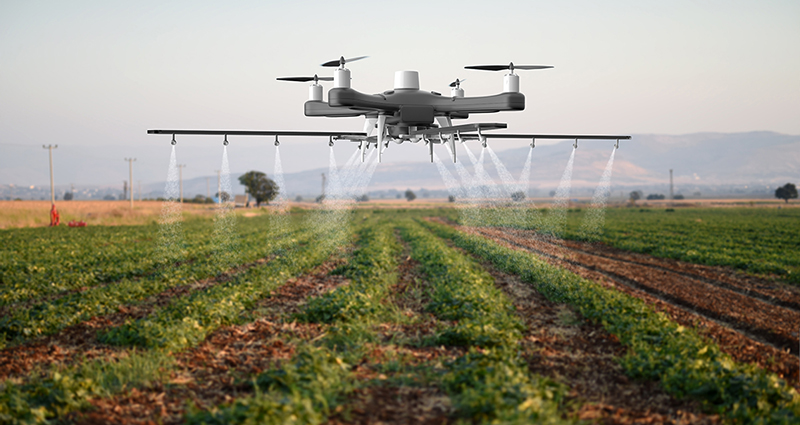
A spraying drone is a type of agricultural drone made to spray crops, fertilizers, pesticides, and even seeds. Farmers use them to cover large farms quickly without using heavy tractors or manual labor.
Popular models like the DJI Agras T50 and DJI Agras T40 are widely used on farms around the world.
Imagine this for a second. Instead of walking for hours under the hot sun carrying heavy spray tanks, a farmer can now control a drone from a safe distance and spray several acres in minutes. That’s one reason these drones are becoming popular so quickly.
Are Agricultural Spraying Drones Legal?
Yes, spraying drones are legal in many countries including the United States, Canada, Australia, parts of Europe, Africa, and Asia. But there’s a catch. You usually need to follow aviation and agricultural rules before flying commercially.
In most countries, you may need:
- A drone registration
- A remote pilot license
- Permission for agricultural spraying
- Insurance in some areas
- Approved chemicals for aerial spraying
Here’s the thing. Governments want drones used safely because they fly in the airspace and carry liquid chemicals. That’s why rules are important.
Spraying Drone Laws in the United States
In the United States, farmers using spraying drones must follow rules from the Federal Aviation Administration and the Environmental Protection Agency.
To legally operate a spraying drone in the U.S., you often need:
- FAA Part 107 Remote Pilot Certificate
- FAA drone registration
- Part 137 certification for agricultural aircraft operations
Without these approvals, commercial spraying may not be allowed.
Are Spraying Drones Legal in Europe?
Yes, many European countries allow agricultural drones, but regulations can be stricter. Countries in the European Union usually require drone operators to follow safety and pesticide laws.
Some countries may ask for:
- Drone operator training
- Flight permissions
- Agricultural spraying permits
- Product approval for chemicals used
If you plan to use drones in Europe, it’s smart to check local aviation rules before buying.
Why Farmers Are Switching to Spraying Drones
You know, farming is not getting easier. Labor costs are rising, fuel prices change all the time, and farmers need faster ways to work.
That’s where agricultural drones help.
Here are some benefits farmers love:
Faster Spraying
A spraying drone can cover many acres in less time compared to manual spraying.
Lower Labor Costs
One drone operator can do work that may normally require several workers.
Precision Farming
Drones spray crops more accurately, helping reduce waste and over-spraying.
Better Access
Drones can reach muddy fields, hills, rice farms, and tight spaces where tractors struggle.
Can You Use a Spraying Drone Without a License?
This depends on your country. In some places, small recreational drones can fly without a license. But spraying drones are different because they carry chemicals and are usually used for business.
Most commercial agricultural drone operators need some kind of approval or training.
It’s always safer to check local drone laws first.
Best Agricultural Drones for Farming
If you are searching for reliable spraying drones, DJI Agri Drones offers some of the most trusted models for modern farming.
Popular choices include:
- DJI Agras T50
- DJI Agras T40
- DJI Agras T25
These drones are designed for crop spraying, spreading, mapping, and smart farming operations.
Tips Before Buying a Spraying Drone
Before you buy, think about these things:
- Farm size
- Local drone laws
- Battery life
- Spray tank capacity
- Availability of spare parts
- Technical support
Also, choose a trusted supplier with good customer service and genuine products.
FAQ About Spraying Drones
Do I need a license for a spraying drone?
In many countries, yes. Commercial spraying often requires pilot certification or drone registration.
Can spraying drones spray pesticides?
Yes, many agricultural drones are designed to spray pesticides, fertilizers, and herbicides safely.
Are DJI spraying drones legal?
Yes, DJI agricultural drones are legal in many countries when operated according to local regulations.
How much land can a spraying drone cover?
Coverage depends on the model. Some advanced drones can spray dozens of acres in one hour.
Where can I buy agricultural spraying drones?
You can find modern spraying drones at DJI Agri Drones.
Final Thoughts
Spraying drones are becoming a powerful tool in modern agriculture. They help farmers save time, reduce costs, and improve efficiency. But before flying one, it’s important to understand your local laws and safety rules.
If you’re ready to explore smart farming technology, take a look at the latest agricultural drones available at DJI Agri Drones. The right drone can make farming easier, faster, and more productive.