
Farming Automation Explained: How Smart Technology Is Changing Modern Farming
Farming Automation Explained
Farming has changed a lot over the years. And honestly, if you compare farming today to farming from 20 or 30 years ago, it almost feels like a different world.
Back then, farmers did almost everything by hand. Planting, spraying, watering, checking crops — all of it took long hours and hard physical work.
Now? Things are changing fast.
Today, many farms use machines, sensors, GPS systems, and even flying drones to make farming easier and more productive. This is called farming automation.
And here’s the thing. Farming automation is not just for giant farms anymore. Even smaller farms are starting to use smart technology to save time, reduce costs, and grow healthier crops.
Let’s break it down in a simple way.
What Is Farming Automation?
Farming automation means using technology and machines to help farmers do work automatically instead of manually.
Simple examples include:
- Agricultural spraying drones
- Automatic irrigation systems
- GPS-guided tractors
- Smart crop monitoring
- Self-driving farm equipment
- Farm management software
The goal is simple:
Save time
Reduce hard labor
Improve crop results
Use fewer resources
And honestly, that makes a huge difference for farmers.
Why Farmers Are Moving Toward Automation
Imagine this.
A farmer wakes up at 5 AM every day. He walks through muddy fields carrying heavy spraying equipment under the hot sun.
By afternoon, he’s exhausted.
Now imagine another farmer using modern agricultural technology.
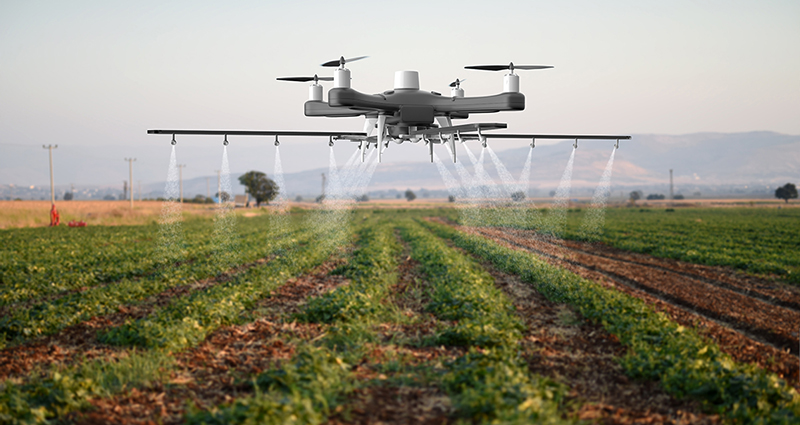
He controls a spraying drone from the edge of the field while the drone sprays crops automatically in neat, accurate lines.
One farmer spends all day walking.
The other finishes in a fraction of the time.
That’s why farming automation is growing so quickly around the world.
Agricultural Drones Are Leading the Change
One of the biggest parts of farming automation today is the use of agricultural drones.
And honestly, this technology is changing farming faster than many people expected.
Agricultural drones can:
- Spray pesticides
- Spread fertilizer
- Monitor crop health
- Map farmland
- Save water and chemicals
Modern systems like those available at DJI Agri Drones are helping farmers manage large farms with much less effort.
How Farming Automation Actually Works
Let’s keep this very simple.
Automation works by using smart systems that can:
- collect information
- make decisions
- perform tasks automatically
For example:
A smart irrigation system can detect dry soil and water crops automatically.
A spraying drone can follow GPS routes and spray crops evenly without the farmer walking through the field.
A tractor with GPS can drive in straight lines with very little steering.
Pretty amazing when you think about it.
Types of Farming Automation
There are many types of automation in agriculture today.
1. Spraying Drones
This is one of the fastest-growing farming technologies.
Agricultural drones spray crops from above, helping farmers cover large areas quickly.
These drones are especially useful for:
- rice farming
- wheat farms
- corn fields
- vegetable farms
And honestly, farmers love them because they save so much time.
2. Smart Irrigation Systems
Water is expensive and important.
Smart irrigation systems use sensors to check:
- soil moisture
- weather conditions
- crop needs
Then they water crops automatically.
This reduces water waste and helps plants grow better.
3. GPS-Guided Tractors
Modern tractors now use GPS technology.
This helps farmers:
- avoid overlapping rows
- save fuel
- improve planting accuracy
And here’s the interesting part — some tractors can almost drive themselves.
4. Crop Monitoring Technology
Farmers can now monitor crops using:
- drones
- cameras
- sensors
- satellite images
This helps identify:
- pests
- disease
- dry areas
- weak crop growth
Much earlier than before.
Benefits of Farming Automation
There’s a reason more farms are investing in automation every year.
The benefits are huge.
Saves Time
Tasks that once took days can now take hours.
That changes everything during busy farming seasons.
Reduces Labor Costs
Finding farm workers is becoming harder in many countries.
Automation helps reduce the need for large labor teams.
Improves Crop Quality
Automated systems are more accurate.
That means:
- better spraying
- better watering
- healthier crops
Reduces Chemical Waste
Agricultural drones spray more precisely than manual spraying.
This helps farmers use less pesticide and fertilizer.
Better Safety
Farmers avoid direct exposure to chemicals during spraying.
That’s a major health advantage.
Why Agricultural Drones Are So Popular
You know, when most people first hear about farm drones, they think it sounds futuristic.
But in reality, drones are becoming normal farm tools now.
And it makes sense.
A drone can:
- spray fields quickly
- reach hard areas
- work in muddy fields
- reduce physical labor
Companies like DJI Agri Drones are helping bring this technology to modern farms worldwide.
Real-Life Farming Story
Let’s imagine a farmer named Michael.
Michael owns a rice farm.
Every spraying season was stressful. He had to hire workers, buy extra chemicals, and spend long hours walking through flooded fields.
One season, he decides to try an agricultural spraying drone.
At first, he feels nervous.
“Can this thing really do the work properly?”
But after one week, he notices something surprising.
The spraying is:
- faster
- more even
- less tiring
And for the first time in years, he finishes spraying ahead of schedule.
That’s when he realizes farming automation is not just about technology.
It’s about making life easier for farmers.
Farming Automation and Precision Agriculture
You’ll often hear another term:
Precision agriculture
This simply means using technology to farm more accurately.
Instead of treating the entire farm the same way, farmers use data to:
- spray only where needed
- water only dry areas
- monitor specific crop problems
This saves:
- money
- water
- chemicals
- time
Agricultural drones play a huge role in precision farming today.
Challenges of Farming Automation
Of course, automation is not perfect.
There are still challenges.
High Starting Cost
Some farming equipment can be expensive at first.
But many farmers say the savings over time make it worth it.
Training Is Needed
New technology takes time to learn.
Farmers may need:
- drone training
- software guidance
- equipment support
Battery and Maintenance Needs
Drones and smart equipment need:
- charging
- updates
- maintenance
Like any machine, proper care matters.
The Future of Farming Automation
Honestly, this is only the beginning.
In the future, farms may use:
- AI-powered drones
- fully automated tractors
- robotic harvesters
- smart weather systems
- real-time crop analysis
Imagine a farm where machines handle most of the heavy work while farmers manage everything from a tablet or smartphone.
That future is already starting.
Why Farmers Are Investing in Agricultural Drones
Agricultural drones are becoming one of the most practical automation tools because they:
- work fast
- reduce labor
- improve spraying accuracy
- cover large areas quickly
And as fuel prices and labor costs rise, drones become even more valuable.
That’s why more farmers are exploring modern solutions from companies like DJI Agri Drones.
Frequently Asked Questions
1. What is farming automation?
Farming automation means using technology and machines to perform farming tasks automatically instead of manually.
2. How do agricultural drones help farmers?
Agricultural drones help farmers spray crops, monitor fields, save time, and reduce chemical waste.
3. Is farming automation expensive?
Some equipment can be costly at first, but many farmers save money over time through lower labor and chemical costs.
4. Can small farms use automation?
Yes. Many small farms now use drones, smart irrigation systems, and GPS tools.
5. What are the benefits of farming automation?
Main benefits include:
- faster work
- better crop management
- lower labor costs
- improved spraying accuracy
6. Where can I buy agricultural spraying drones?
You can explore modern agricultural drone solutions at DJI Agri Drones.
Final Thoughts
Farming automation is changing agriculture in a big way.
And honestly, it’s not just about machines.
It’s about helping farmers:
- work smarter
- save time
- reduce stress
- grow healthier crops
Technology like agricultural spraying drones is making farming easier and more efficient than ever before.
And as automation continues growing, farmers who adapt early may have a huge advantage in the future.
The future of farming is no longer just hard labor.
It’s smart farming