
Do You Need Training to Fly a Spraying Drone? What Every Farmer Should Know
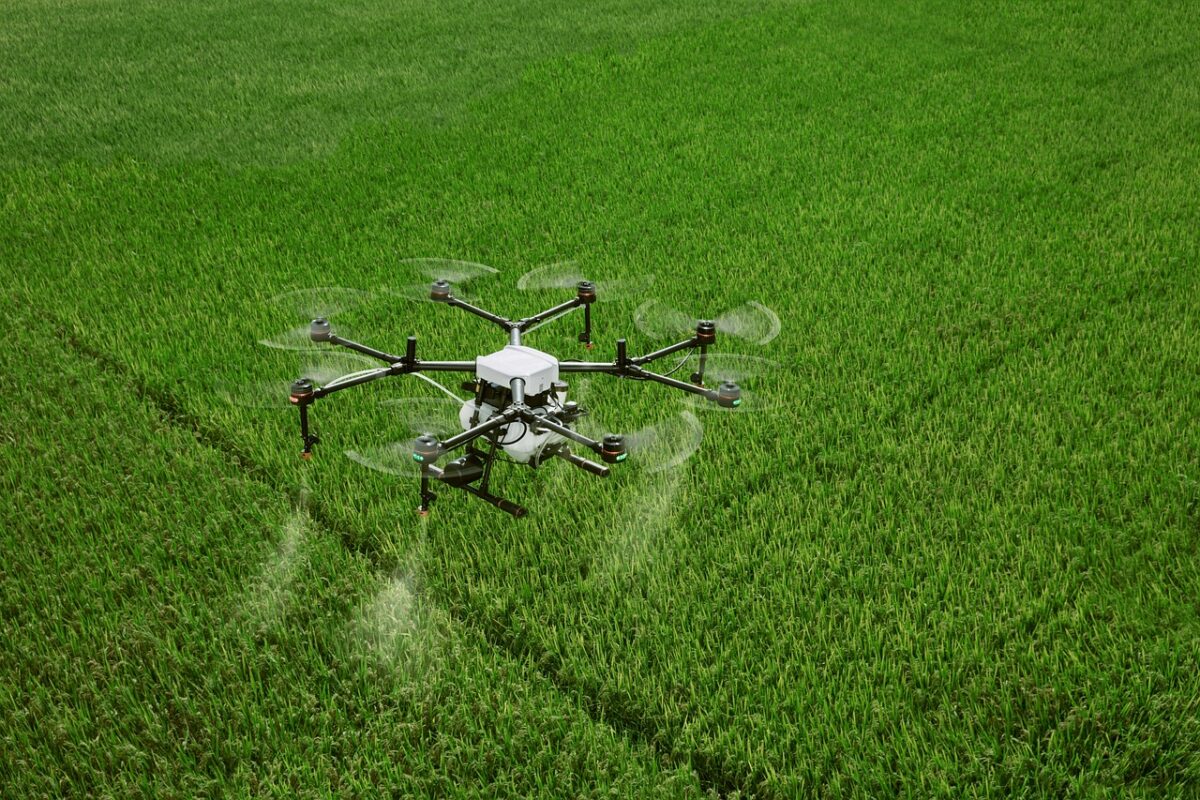
If you are thinking about buying a spraying drone for your farm, you may be asking yourself one simple question: Do I really need training to fly it?
The short answer is yes. But here’s the thing — it is not as hard as many people think.
Modern agricultural drones are made to help farmers work faster, save money, and spray crops more accurately. Still, these machines are powerful tools. Learning how to use them the right way can save you time, protect your crops, and help you avoid expensive mistakes.
At DJI Agri Drones, many first-time buyers ask this same question before choosing a drone like the DJI Agras T50 or DJI Agras T40. And honestly, it makes sense. Nobody wants to damage a new drone on the first day.
So let’s talk about what training really looks like and why it matters.
Why Training Is Important for Spraying Drones
Imagine this for a moment.
You buy a brand-new agricultural drone. It arrives at your farm. The batteries are charged, the weather looks perfect, and you are excited to start spraying.
But then you realize something.
You still need to understand:
- How to plan a flight path
- How high the drone should fly
- How much liquid to spray
- Battery safety
- Local drone rules
- Emergency landing steps
That’s where training becomes important.
A spraying drone is not the same as flying a toy drone for fun. Agricultural drones carry chemicals, fly over large areas, and use smart technology to map farmland. Even though DJI drones are beginner-friendly, proper training helps you use every feature safely and correctly.
Is It Hard to Learn?
Not really.
Most farmers learn the basics much faster than they expect.
In fact, many modern drones have smart systems that help beginners fly safely. Features like automatic route planning, obstacle detection, and auto return-to-home make things easier.
Still, you know, there is a learning curve.
The first few flights may feel strange. That is normal. After some practice, most people become comfortable flying and spraying within a short time.
The key is starting slowly.
What Will You Learn During Drone Training?
Good spraying drone training usually covers several important areas.
1. Basic Drone Controls
First, you learn how to take off, land, and control the drone safely.
This includes:
- Understanding the remote controller
- Using the flight app
- Checking GPS signals
- Monitoring battery levels
2. Spraying Operations
Next comes the spraying system itself.
You learn:
- How to mix chemicals properly
- Spray width settings
- Droplet size adjustment
- Flow rate management
This step is very important because incorrect spraying can waste chemicals or damage crops.
3. Farm Mapping and Route Planning
Modern drones can map farmland automatically.
Training helps you:
- Create field boundaries
- Plan spraying routes
- Avoid obstacles
- Improve spraying accuracy
Honestly, this is where many farmers start seeing the real power of agricultural drones.
4. Safety and Maintenance
Here’s the thing many beginners forget.
Even the best drone needs maintenance.
Training teaches you:
- Battery care
- Motor inspection
- Cleaning procedures
- Safe transport methods
A well-maintained drone lasts longer and performs better.
Do Different Countries Require Certification?
Yes, sometimes.
Drone laws are different depending on where you live. Some countries require:
- Drone registration
- Pilot certification
- Special spraying permits
Before using a spraying drone commercially, always check local aviation rules.
If you are unsure, the team at DJI Agri Drones can help point you in the right direction when choosing the right agricultural drone for your region.
Can Beginners Start with DJI Agras Drones?
Absolutely.
Many beginners start with drones like:
- DJI Agras T25
- DJI Agras T40
- DJI Agras T50
These drones are built with smart farming technology that helps reduce mistakes and improve efficiency.
For example, automatic terrain following helps the drone stay at the correct height while spraying uneven farmland. That means better crop coverage and less waste.
Pretty useful, right?
Tips for First-Time Spraying Drone Pilots
If you are new to agricultural drones, here are a few simple tips.
Start Small
Practice in an open area before spraying large fields.
Watch the Weather
Strong wind can affect spraying accuracy.
Learn the Software
Spend time understanding the drone app and settings.
Follow Safety Rules
Always wear protective gear when handling chemicals.
Keep Extra Batteries
Large farms often require multiple battery cycles.
Final Thoughts
So, do you need training to fly a spraying drone?
Yes — but it does not need to feel overwhelming.
With a little practice and proper guidance, most farmers can learn quickly and confidently. Modern DJI Agras drones are designed to make farming easier, not harder.
If you are ready to explore agricultural spraying drones, visit DJI Agri Drones to learn more about the latest models, features, and farming solutions.
Frequently Asked Questions
Can I fly a spraying drone without experience?
Yes, beginners can learn to fly spraying drones. However, proper training is strongly recommended for safe and effective operation.
How long does spraying drone training take?
Basic training can take a few days, while advanced commercial training may take longer depending on local regulations.
Do DJI Agras drones fly automatically?
Yes. Many DJI Agras drones include automatic flight planning and smart spraying features.
Is a license required for agricultural drones?
In many countries, yes. Rules depend on local aviation authorities and drone size.
Which spraying drone is best for beginners?
Many new users start with the DJI Agras T25 because it is compact and beginner-friendly.