
Precision Agriculture Explained: How Smart Farming Is Changing the Way We Grow Food
Precision Agriculture Explained
Farming used to be simple in idea, but hard in reality.
You wake up early. You go to the field. You spray crops. You guess where pests are. You hope everything grows well.
That’s how it was for many years.
But today, something is changing that story.
It’s called precision agriculture.
And if you’re hearing this term for the first time, don’t worry. I’ll break it down in a very simple way.
By the end, you’ll understand how modern tools like agricultural drones are helping farmers work smarter, not harder.
What Is Precision Agriculture?
Let’s keep this very simple.
Precision agriculture means using technology to take better care of crops.
Instead of treating the whole farm the same way, farmers now treat each part of the field differently based on real data.
Imagine this:
Instead of guessing where your crops need water or fertilizer, you actually know.
That’s the power of precision farming.
It uses tools like:
- GPS systems
- sensors
- satellites
- and agricultural drones like those from DJI Agri Drones
These tools help farmers see what’s happening in their fields in real time.
A Simple Story: Old Farming vs Smart Farming
Let me paint a picture for you.
Old way of farming
A farmer walks into a rice field.
He looks around and thinks:
“This area looks dry… maybe I should add more water.”
Then he sprays the whole field evenly.
Some parts needed more. Some needed less. But everything gets the same treatment.
That means:
- wasted fertilizer
- uneven crop growth
- higher cost
New way with precision agriculture
Now imagine the same farmer using a drone from DJI Agri Drones.
He doesn’t guess anymore.
The drone flies over the field and collects data.
It shows:
- which areas are healthy
- which areas have pests
- which areas need fertilizer
Now the farmer knows exactly what to do.
No guessing. No waste.
Just smart decisions.
How Precision Agriculture Works (Simple Steps)
Let’s break it down in an easy way.
Step 1: Collect data
Farm tools gather information using:
- drones
- sensors
- satellites
They scan the field and take pictures or readings.
Step 2: Analyze the field
The data shows:
- crop health
- soil condition
- moisture levels
- pest activity
It’s like giving the farm a health check-up.
Step 3: Take action
Now the farmer acts based on real information:
- sprays only where needed
- adds fertilizer in weak areas
- saves water
Step 4: Monitor results
After a few days or weeks, the farmer checks again.
This cycle keeps improving the farm.
Why Precision Agriculture Matters
Here’s the thing.
Farming is not getting easier.
- Weather is unpredictable
- Fertilizer costs are rising
- Labor is expensive
- Crops need more care than before
So farmers need smarter solutions.
Precision agriculture helps by:
✔ Reducing waste
You only use what you need.
✔ Increasing crop yield
Healthy plants grow better.
✔ Saving time
Less manual work in the field.
✔ Cutting costs
Less fertilizer and fuel used.
The Role of Drones in Precision Agriculture
Now let’s talk about something important.
Drones are one of the biggest parts of modern precision farming.
Why?
Because they can:
- fly over large fields quickly
- capture high-quality images
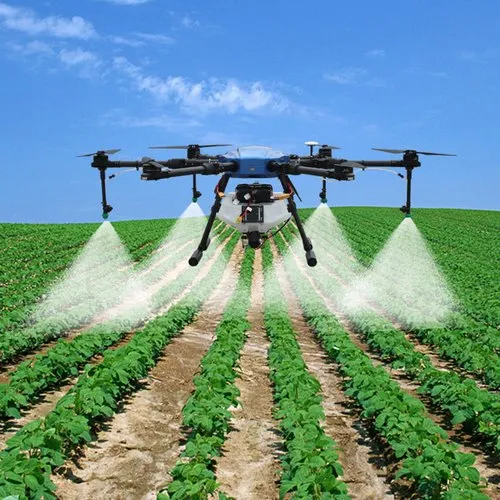
- spray crops evenly
- reach areas humans struggle with
That’s why many farmers are switching to agricultural drones like those from DJI Agri Drones.
What drones actually do on farms
Drones are not just flying cameras.
They help with:
Crop spraying
They spray fertilizer and pesticide evenly.
Field mapping
They create a map of the entire farm.
Crop health monitoring
They detect weak or diseased plants early.
Water management
They help farmers know where irrigation is needed.
Real-Life Example (Easy Story)
Let’s talk about a farmer named Samuel.
Samuel grows rice.
Every season, he struggles with pests.
Before drones, he used to:
- spray everything manually
- spend a lot of money on chemicals
- still lose part of his crops
Then he tried precision agriculture tools.
He used a drone from DJI Agri Drones.
At first, he was unsure.
But after one season, something changed.
- fewer pests
- healthier crops
- less chemical use
- higher yield
And most importantly, less stress.
He said:
“Now I understand my farm better than ever before.”
Benefits of Precision Agriculture
Let’s make it even clearer.
1. Better crop health
Plants get exactly what they need.
2. Less waste
No more overusing chemicals or water.
3. Higher profits
Lower cost + better yield = more income.
4. Smarter decisions
Farmers use data, not guesswork.
5. Faster farming
Tasks that used to take days now take hours.
How DJI Agri Drones Fit Into Precision Agriculture
Modern farms are not just using tractors anymore.
They are combining:
- drones
- GPS systems
- smart mapping tools
Platforms like DJI Agri Drones help farmers access this technology in one place.
These drones are designed for:
- large farms
- rice fields
- crop spraying
- precision mapping
Precision Agriculture vs Traditional Farming
| Traditional Farming | Precision Agriculture |
|---|---|
| Guess-based decisions | Data-based decisions |
| Full-field spraying | Targeted spraying |
| High waste | Low waste |
| Manual labor | Automated tools |
| Slower results | Faster results |
Things Farmers Should Know Before Starting
If you are new to precision farming, start simple:
✔ Learn your field first
Know your land layout.
✔ Start with basic drone tools
Don’t rush into advanced systems.
✔ Understand weather patterns
Wind and rain matter a lot.
✔ Train properly
Good training improves results.
Useful Links
If this article is on your website, here’s how you should link it:
- 👉 Learn more on our homepage
- 👉 Explore our agricultural drone category page
- 👉 Visit our FAQ page for common questions
- 👉 Read more about our company on the about page
(Replace links with your exact page URLs for stronger SEO.)
Frequently Asked Questions
1. What is precision agriculture in simple words?
It means using technology to help farmers take better care of crops with less guesswork.
2. How do drones help in precision agriculture?
They help by spraying crops, mapping fields, and checking crop health from the air.
3. Is precision agriculture expensive?
It can cost at first, but it usually saves money over time by reducing waste and increasing yield.
4. Can small farms use precision agriculture?
Yes. Even small farms can benefit from drones and simple monitoring tools.
5. Why is precision agriculture important?
Because it helps farmers grow more food using fewer resources.
Final Thoughts
Farming is changing.
And precision agriculture is at the center of that change.
It’s no longer just about working harder in the field.
It’s about working smarter.
With tools like drones from DJI Agri Drones, farmers can finally see their land in a new way.
Clear data. Better decisions. Healthier crops.
And that’s the future of farming.