
🌾 Crop Spraying Drone Price in 2026: What You Should Really Expect
Crop Spraying Drone Price
Let’s talk about something every modern farmer is asking these days — how much does a crop spraying drone actually cost?
If you’ve ever stood in a farm field, watching crops stretch out for acres and acres, you probably already know the problem. Manual spraying takes time. It takes labor. And honestly, it can be exhausting.
Now imagine this instead.
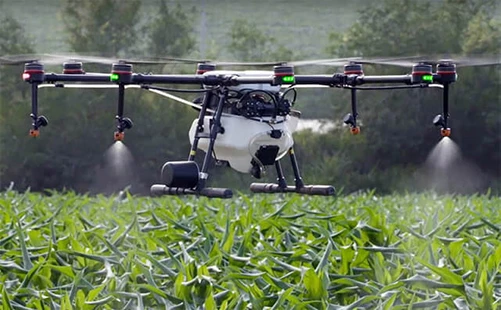
A drone flies over your crops, spraying evenly, quickly, and with precision. No walking through mud. No wasted chemicals. Just smooth, smart farming.
Sounds expensive, right?
Well… yes and no.
Let’s break it down in a simple way.
🚁 First, What Is a Crop Spraying Drone?
A crop spraying drone is a farming drone designed to spray:
- Fertilizers
- Pesticides
- Herbicides
- Liquid nutrients
Instead of tractors or manual labor, the drone flies over crops and sprays exactly where needed.
This saves time and reduces waste. And that’s why more farmers are switching to agricultural drones from brands like DJI Agras, which you can explore at DJI Agri Drones.
💰 So… How Much Does a Crop Spraying Drone Cost?
Here’s the simple truth:
👉 A crop spraying drone can cost anywhere from $3,000 to $30,000+
Yes, that’s a big range. But there’s a reason for it.
Let’s make it easier to understand.
🟢 Small Entry-Level Spraying Drones ($3,000 – $8,000)
These are usually:
- Small farm drones
- Limited tank capacity
- Short flight time
- Best for small farms or testing
They are good if you’re just starting out and want to learn how agricultural drones work.
But here’s the thing — they are not built for large commercial farms.
🟡 Mid-Range Agricultural Drones ($8,000 – $15,000)
Now we’re getting serious.
These drones usually offer:
- Bigger tanks
- Stronger batteries
- Better spray systems
- More stable flight control
Farmers with medium-sized farms often choose this level because it balances cost and performance.
You start to see real savings in labor and chemicals at this stage.
🔴 Professional Crop Spraying Drones ($15,000 – $30,000+)
This is where things get powerful.
These are the drones used on large farms and commercial agriculture operations.
They usually include:
- Large payload tanks (10–50 liters or more)
- Advanced GPS systems
- Smart spraying technology
- Automatic route planning
- Long battery life
Brands like DJI Agras fall into this category.
If you’ve seen modern farming videos online, this is the type of drone you’re probably seeing in action.
And yes, this is the level where serious farmers invest because the return is real.
📊 What Affects Crop Spraying Drone Price?
Now here’s something many people don’t think about.
Two drones can look similar but cost very different prices.
Why?
Let’s break it down.
1. Tank Size
The bigger the tank, the higher the price.
Why? Because a larger tank means:
- More spraying per flight
- Less downtime
- Faster farming
2. Battery Life
Longer flight time = higher price.
Simple.
If a drone can stay in the air longer, it covers more land without stopping.
3. Technology Level
Modern farming drones are packed with tech like:
- GPS mapping
- Obstacle avoidance
- Smart route planning
- Auto spraying systems
The smarter the drone, the more expensive it becomes.
4. Brand (Very Important)
Brands matter a lot.
For example, DJI agricultural drones are more expensive because they are:
- Tested worldwide
- Known for reliability
- Used by professional farmers
You can explore these types of drones at DJI Agri Drones.
5. Country and Shipping Costs
Sometimes the same drone costs more depending on:
- Import taxes
- Shipping distance
- Dealer pricing
- Local availability
That’s why prices can change from country to country.
🌍 Why Farmers Are Switching to Crop Spraying Drones
Let’s slow down for a second.
Imagine this.
You wake up early, go to your farm, and instead of spending hours spraying chemicals manually… you launch a drone.
In minutes, your field is covered.
That’s the shift happening in agriculture today.
Farmers are switching because drones:
- Save time
- Reduce labor cost
- Improve spray accuracy
- Reduce chemical waste
- Cover large land faster
And honestly, once farmers try it, they rarely go back.
🌱 Is a Crop Spraying Drone Worth the Price?
This is the real question, right?
The answer depends on your farm size.
But in most cases:
👉 Yes, it is worth it.
Why?
Because instead of paying workers every season, you invest once in a machine that keeps working for years.
It’s like buying time.
And time on a farm is everything.
🧠 Real Talk: What Most Farmers Don’t Expect
Here’s something people don’t always think about.
A drone doesn’t just spray crops.
It changes how you manage your farm.
You start thinking differently:
- Faster planting cycles
- Better pest control
- Less chemical waste
- More efficient land use
It feels like upgrading from a bicycle to a motorbike.
Same journey… just faster and easier.
🛠️ Tips Before Buying a Crop Spraying Drone
If you’re planning to buy one, keep these simple tips in mind:
✔ Know your farm size first
Don’t buy too small or too big.
✔ Check spare parts availability
You want easy maintenance.
✔ Buy from trusted suppliers
This avoids fake or low-quality drones.
✔ Learn basic operation first
A little training goes a long way.
❓ FAQs About Crop Spraying Drone Price
1. What is the cheapest crop spraying drone?
The cheapest ones start around $3,000, usually small models for light farming use.
2. Why are agricultural drones expensive?
Because they include advanced technology like GPS mapping, smart spraying systems, and high-capacity batteries.
3. How long does a crop spraying drone last?
With proper care, a good drone can last 3 to 7 years.
4. Can crop spraying drones replace tractors?
Not fully, but they can reduce tractor usage a lot, especially for spraying tasks.
5. Where can I buy reliable agricultural drones?
You can explore trusted options at DJI Agri Drones, which focuses on professional farming drone solutions.
🌾 Final Thoughts
Crop spraying drones are no longer “future technology.” They are here right now, and farmers around the world are already using them.
Yes, the price can feel high at first.
But when you look at the time saved, the efficiency gained, and the long-term cost reduction… it starts to make a lot more sense.