
How Agricultural Drones Work: A Simple Guide to Smart Farming Technology
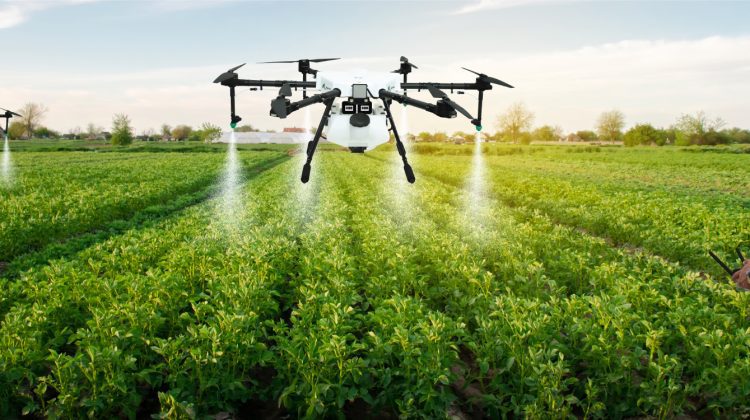
How Agricultural Drones Work:
Farming has changed a lot over the years. Farmers once relied only on hand tools, animals, and simple machines. Today, technology helps farmers grow more food while saving time, money, and energy. One of the biggest changes in modern farming is the use of agricultural drones.
If you have ever seen a drone flying over a farm, you may have wondered how it works and why farmers use it. These smart flying machines are helping farmers check crops, spray fields, map land, and improve harvests faster than ever before.
In this guide, we’ll explain how agricultural drones work in a simple and easy way. Whether you are a farmer, a drone enthusiast, or just curious about modern agriculture, this article will help you understand the growing role of drone technology in farming.
You can also explore the latest drone solutions on our Homepage, learn more about our story on the About Page, browse products on the Category Page, or find answers on our FAQ Page.
What Is an Agricultural Drone?
An agricultural drone is a flying device designed to help with farming tasks. These drones use cameras, sensors, GPS systems, and software to collect information about crops and farmland.
Some drones simply take pictures and videos. Others can spray fertilizers, pesticides, or water directly onto crops. Farmers use these drones to make smarter decisions and improve crop production.
Agricultural drones are also called:
- Farm drones
- Crop monitoring drones
- Precision agriculture drones
- Spraying drones
Unlike regular hobby drones, agricultural drones are built for work. They are stronger, smarter, and designed to handle large farming areas.
How Agricultural Drones Work
Agricultural drones work by combining several technologies together. Let’s break it down into simple steps.
1. The Drone Flies Over the Farm
The drone first flies over the farmland using GPS navigation. Most agricultural drones follow a planned flight path created by software.
Farmers can control the drone with a remote controller or mobile app. Some drones can even fly automatically without much human control.
As the drone moves across the field, it collects important data about the crops and soil below.
2. Cameras and Sensors Collect Data
The drone uses special cameras and sensors to “see” the farm.
These may include:
RGB Cameras
These are regular cameras that take clear photos and videos.
Multispectral Cameras
These cameras detect plant health by capturing light that human eyes cannot see.
Thermal Sensors
These sensors measure heat and help farmers spot dry areas or stressed crops.
LiDAR Sensors
These advanced sensors create detailed 3D maps of farmland.
The information collected helps farmers understand how their crops are growing.
3. The Data Is Processed
After the drone finishes flying, the images and data are uploaded into software.
The software analyzes the information and creates maps or reports.
These reports can show:
- Dry areas in the field
- Crop diseases
- Pest problems
- Poor soil conditions
- Areas needing fertilizer
- Plant growth patterns
Instead of walking across huge fields for hours, farmers can check everything from a computer or smartphone.
4. Farmers Take Action
Once farmers understand the problem areas, they can respond quickly.
For example:
- Add water to dry spots
- Spray pesticides only where needed
- Apply fertilizer more carefully
- Remove diseased plants early
This saves time, reduces waste, and improves crop yields.
Types of Agricultural Drones
Different farms use different drones depending on their needs.
Crop Monitoring Drones
These drones are used to inspect crops and collect farm data.
Farmers use them to:
- Check plant health
- Monitor crop growth
- Detect weeds
- Watch irrigation systems
These drones are common in precision farming.
Spraying Drones
Spraying drones carry liquid tanks filled with pesticides, fertilizers, or herbicides.
They fly over crops and spray evenly across the field.
This method is:
- Faster
- Safer
- More accurate
- Less wasteful
Spraying drones are especially useful in large farms or difficult terrain.
Mapping Drones
Mapping drones create detailed maps of farmland.
Farmers use these maps to:
- Plan irrigation
- Measure field size
- Analyze soil conditions
- Improve planting patterns
Good maps help farmers make better long-term decisions.
Why Farmers Use Agricultural Drones
Agricultural drones are becoming popular because they solve many farming problems.
They Save Time
A drone can inspect a large field in minutes instead of hours.
Farmers no longer need to walk across every section of land manually.
They Reduce Costs
Drones help farmers use fewer resources.
This includes:
- Less water
- Less fertilizer
- Less pesticide
- Lower labor costs
By applying treatments only where needed, farmers spend less money.
They Improve Crop Health
Drones help spot crop problems early.
Early detection means farmers can fix issues before they spread.
Healthy crops lead to better harvests.
They Increase Farm Productivity
When farmers make smarter decisions, crop yields often improve.
This means more food production and better profits.
They Help the Environment
Precision farming reduces chemical waste and water overuse.
That makes farming more environmentally friendly.
Real-Life Example of Agricultural Drones
Imagine a farmer named James who owns a large corn farm.
Before using drones, James had to spend days checking his fields by foot. Sometimes he missed signs of crop disease until it was too late.
After buying an agricultural drone, everything changed.
Now, James flies his drone over the farm every week. The drone creates health maps showing which areas need attention.
One summer, the drone detected dry soil in one section of the farm. James fixed the irrigation problem quickly and saved a large part of his crop.
Without the drone, he may not have noticed the issue until much later.
This is why many modern farmers now rely on drone technology.
Features of Modern Agricultural Drones
Today’s farming drones come with powerful features.
GPS Navigation
GPS helps drones fly accurately over farmland.
This ensures complete field coverage.
Automated Flight Paths
Farmers can program routes before takeoff.
The drone follows the planned path automatically.
Obstacle Avoidance
Some drones can detect trees, poles, or buildings and avoid crashing.
High Battery Capacity
Modern agricultural drones can cover large areas before needing a recharge.
Smart Software Integration
Drone software turns raw data into easy-to-read maps and reports.
This helps farmers make quick decisions.
Challenges of Agricultural Drones
Although drones offer many benefits, there are still some challenges.
High Initial Cost
Advanced agricultural drones can be expensive.
However, many farmers see them as a long-term investment.
Weather Conditions
Strong winds or heavy rain can affect drone flights.
Good weather is important for accurate operation.
Training Requirements
Farmers need basic training to operate drones safely and correctly.
Battery Limitations
Some drones need frequent charging during large farm operations.
Battery technology continues to improve every year.
The Future of Agricultural Drones
The future of drone farming looks very exciting.
Experts believe drones will become even smarter with artificial intelligence and automation.
Future agricultural drones may:
- Detect diseases instantly
- Plant seeds automatically
- Work fully without human control
- Use AI to predict crop problems
- Improve food production worldwide
As technology grows, drones may become a normal part of everyday farming.
How to Choose the Right Agricultural Drone
Choosing the right drone depends on your farming goals.
Here are a few things to consider:
Farm Size
Large farms may need drones with longer flight times.
Purpose
Do you need a drone for:
- Crop monitoring?
- Spraying?
- Mapping?
- Data analysis?
Choose a drone designed for your specific needs.
Camera Quality
Better cameras provide clearer and more useful images.
Battery Life
Longer battery life means more work done in less time.
Software Compatibility
Make sure the drone works with useful farm management software.
Why Agricultural Drones Matter Today
The world’s population continues to grow, and farmers face increasing pressure to produce more food.
Agricultural drones help farmers work smarter, not harder.
They improve efficiency, reduce waste, and support sustainable farming practices.
For many farmers, drones are no longer a luxury. They are becoming an important farming tool.
Whether managing small farms or large agricultural operations, drone technology is helping shape the future of farming.
If you want to explore modern farming drone solutions, visit our Homepage or browse the latest products on our Category Page.
FAQs About Agricultural Drones
What are agricultural drones used for?
Agricultural drones are used for crop monitoring, spraying pesticides, mapping farmland, checking irrigation systems, and improving crop health.
How do agricultural drones help farmers?
They help farmers save time, reduce costs, detect problems early, and improve crop yields through smart farming technology.
Are agricultural drones expensive?
Prices vary depending on features and size. Basic models cost less, while advanced spraying and mapping drones can be more expensive.
Can agricultural drones spray crops?
Yes. Many agricultural drones are designed to spray fertilizers, pesticides, and herbicides accurately across fields.
Do farmers need training to use drones?
Yes. Basic training helps farmers operate drones safely and understand drone laws and best practices.
Are agricultural drones good for small farms?
Yes. Even small farms can benefit from crop monitoring, mapping, and precision spraying.
How long can agricultural drones fly?
Flight times depend on the drone model and battery size. Many agricultural drones fly between 20 and 60 minutes per charge.
Where can I learn more about agricultural drones?
You can visit our FAQ Page for more answers or explore our About Page to learn more about our mission and expertise in drone technology.
Final Thoughts
Agricultural drones are changing the way farming works. They help farmers monitor crops, save resources, improve harvests, and make better decisions using real-time data.
As farming continues to evolve, drones will likely play an even bigger role in food production around the world.
For farmers looking to improve efficiency and embrace smart farming technology, agricultural drones offer practical solutions that can make a real difference.