
Smart Farming Technology: How Modern Agriculture Is Changing Farming Forever
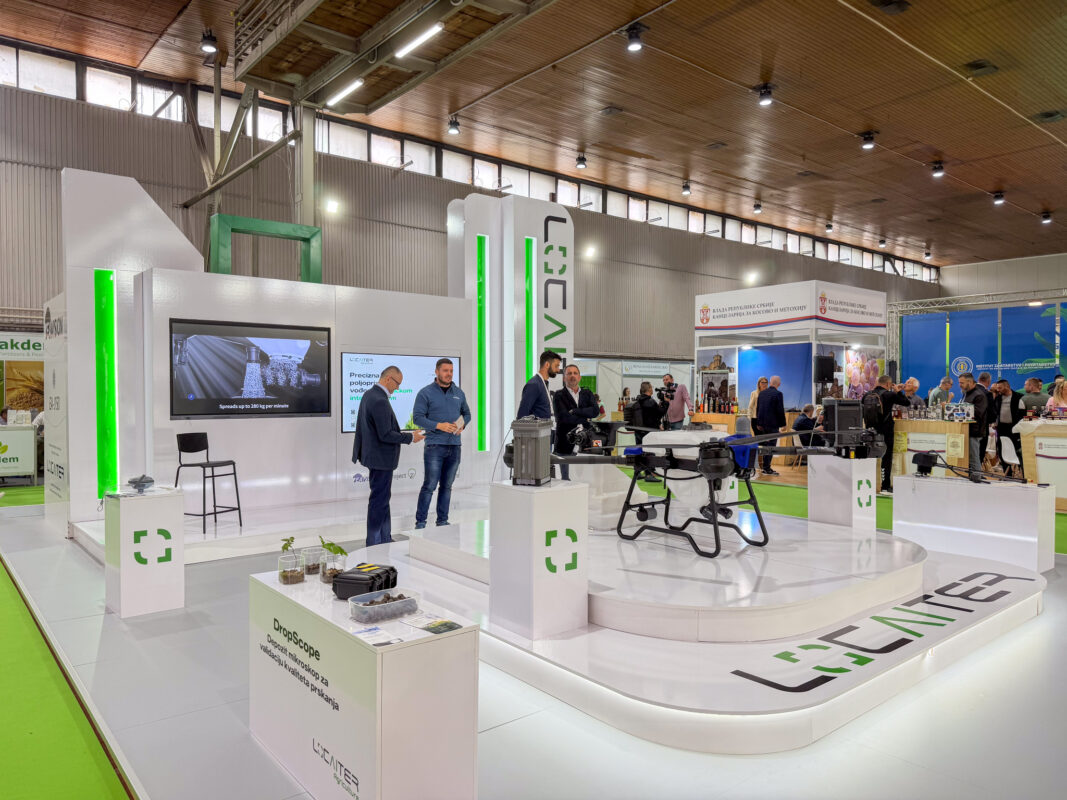
smart farming technology
Farming is changing fast.
A few years ago, most farmers depended only on hard work, experience, and guesswork. You planted crops, hoped for good weather, and prayed pests would stay away. That was normal life on the farm.
But things are different now.
Today, farmers can use drones, sensors, GPS systems, and smart tools to manage farms better than ever before. This is called smart farming technology, and honestly, it’s becoming one of the biggest changes agriculture has ever seen.
And you know what? It’s not just for giant farms anymore.
Even small and medium farmers are starting to use smart farming tools to save time, reduce waste, and grow healthier crops.
At DJI Agri Drones, modern agricultural drone technology is helping farmers move into this new era of farming with smarter spraying and precision agriculture solutions.
Let’s break it down in a simple way.
What Is Smart Farming Technology?
Smart farming technology means using modern digital tools and machines to improve farming.
Instead of doing everything manually, farmers now use:
- Agricultural drones
- GPS mapping
- Smart irrigation systems
- Crop monitoring software
- Sensors
- Automated equipment
The goal is simple:
👉 Grow more crops
👉 Reduce waste
👉 Save time
👉 Increase profit
It sounds technical at first, but really, smart farming is just farming made easier and more accurate.
Why Traditional Farming Is Becoming Harder
Let’s be real for a moment.
Farming today is not easy.
Farmers deal with:
- Rising labor costs
- Unpredictable weather
- Pest problems
- Expensive fertilizer
- Water shortages
And in many places, finding enough workers during farming season is becoming difficult.
Imagine walking through a huge field carrying heavy spray tanks all day under the hot sun.
That’s exhausting.
Now imagine using a drone to do most of that work in a fraction of the time.
That’s why so many farmers are turning to smart farming technology.
Agricultural Drones Are Leading the Smart Farming Revolution
When people hear “smart farming,” drones are usually the first thing that comes to mind.
And honestly, for good reason.
Agricultural drones are changing the way farms operate.
Modern spraying drones can:
- Spray crops evenly
- Cover large areas quickly
- Reduce chemical waste
- Reach difficult terrain
- Save labor costs
Companies like DJI Agri Drones are helping farmers use advanced drone technology for precision farming and crop spraying.
If you visit the DJI Agri Drones Homepage, you’ll see different agricultural drone models designed for modern farming needs.
A Real Farming Story
Let’s imagine a farmer named Samuel.
Samuel owns a rice farm. For years, he sprayed pesticides manually with a backpack sprayer.
Every season was the same:
- Long days in muddy fields
- Tired workers
- Uneven spraying
- High chemical costs
One day, another farmer tells him about agricultural drones.
At first, Samuel laughs.
“A flying machine is going to spray my farm?”
But eventually, he decides to try it.
The drone flies over the field smoothly, spraying in perfect lines. The job that once took almost two days is finished in a few hours.
Samuel stands quietly watching the drone return.
And honestly, that’s the moment many farmers realize farming has changed forever.
Benefits of Smart Farming Technology
Smart farming is not just about looking modern. It gives real benefits that farmers can feel immediately.
1. Saves Time
This is probably the biggest advantage.
Tasks that normally take days can now take hours.
Drone spraying alone can cover large areas very quickly.
2. Reduces Labor Costs
Finding farm workers is becoming expensive in many countries.
Smart farming tools reduce the need for large labor teams.
3. Better Crop Health
Precision technology helps farmers:
- Spray evenly
- Detect crop problems early
- Monitor plant growth
This improves overall crop quality.
4. Less Chemical Waste
Traditional spraying often wastes chemicals.
Drones and smart systems apply the right amount only where needed.
That means:
- Lower cost
- Better environmental protection
- Safer farming
5. Higher Farm Productivity
Smart farming helps farmers grow more using fewer resources.
And honestly, that’s very important today.
Smart Farming and Precision Agriculture
You’ll often hear the phrase precision agriculture.
This simply means using technology to manage farms more accurately.
Instead of treating the whole farm the same way, farmers can:
- Identify weak crop areas
- Spray only affected sections
- Use water more efficiently
- Monitor field conditions in real time
Agricultural drones play a huge role in this system.
If you want to explore modern drone solutions, you can check the Agricultural Drone Category Page for different farming drone models.
Smart Irrigation Systems
Water is becoming more valuable every year.
Smart irrigation systems help farmers avoid wasting water.
These systems can:
- Detect soil moisture
- Water crops automatically
- Reduce overwatering
Imagine watering only the exact places that need it.
That’s smart farming in action.
GPS and Farm Mapping Technology
Modern farms now use GPS systems for accurate field management.
This helps farmers:
- Map crop areas
- Create spray routes
- Track field conditions
- Improve planting accuracy
And when drones use GPS together with spraying systems, the results become even better.
Is Smart Farming Only for Big Farms?
Not anymore.
This is a common misunderstanding.
A lot of people think:
“Smart farming is only for giant commercial farms.”
But small farmers are also benefiting now.
Technology is becoming more affordable and easier to use.
Even a small rice farmer can now use:
- A spraying drone
- Smart irrigation
- GPS crop mapping
That’s a huge shift.
How Smart Farming Helps Rice Farmers
Rice farming is one of the best examples of smart farming success.
Rice fields are:
- Wet
- Large
- Difficult to walk through
Drone spraying solves many of these problems.
A drone can spray rice fields:
- Faster
- More evenly
- With less physical effort
That’s why many rice farmers are moving toward agricultural drone systems.
Common Smart Farming Technologies Used Today
Here are some of the most popular smart farming tools right now:
Agricultural drones
Used for spraying, mapping, and monitoring crops.
Farm management apps
Help track planting, spraying, and crop health.
Soil sensors
Measure moisture and soil conditions.
Smart irrigation
Controls water automatically.
GPS systems
Improve farm accuracy and efficiency.
The Future of Smart Farming
Honestly, we are only getting started.
In the future, farms may use:
- AI-powered crop monitoring
- Fully automated drones
- Robot harvesters
- Real-time weather systems
- Self-driving tractors
Imagine this:
A farmer checks the farm from a phone while drones spray automatically in the field.
That future is already starting to happen.
Tips for Farmers Starting Smart Farming
If you’re new to smart farming, don’t worry. Start simple.
✔ Begin with one technology
Many farmers start with agricultural drones first.
✔ Learn gradually
You don’t need to master everything in one day.
✔ Focus on your biggest farm problem
Maybe it’s spraying. Maybe irrigation. Solve one issue first.
✔ Work with trusted suppliers
Reliable equipment matters.
You can learn more about the company and farming solutions on the About Us Page.
❓ Frequently Asked Questions
What is smart farming technology?
Smart farming technology uses digital tools like drones, sensors, GPS, and automation to improve farming efficiency and crop production.
How do agricultural drones help farmers?
Agricultural drones help farmers spray crops faster, monitor fields, reduce chemical waste, and improve precision farming.
Is smart farming expensive?
Some systems can cost more at first, but many farmers save money long-term through reduced labor and better crop yield.
Can small farms use smart farming technology?
Yes. Many small and medium farms now use drones, irrigation systems, and GPS tools successfully.
What crops benefit most from smart farming?
Rice, wheat, corn, vegetables, and many large-scale crops benefit greatly from precision agriculture technology.
Where can I learn more about agricultural drones?
You can visit the DJI Agri Drones FAQ Page to learn more about agricultural drone technology and farming solutions.
🌱 Final Thoughts
Farming has always depended on hard work. That part will never change completely.
But smart farming technology is helping farmers work faster, safer, and more efficiently than ever before.
And honestly, that matters a lot in today’s world.
With tools like agricultural drones, smart irrigation, GPS mapping, and precision agriculture systems, farmers can grow better crops while reducing stress and waste.
Technology is no longer something far away from farming.
It’s already here.
And companies like DJI Agri Drones are helping farmers take the next step into the future of agriculture.