
🚁 What Is the Best Agricultural Drone for Farming? (Simple Guide for Farmers in 2026)
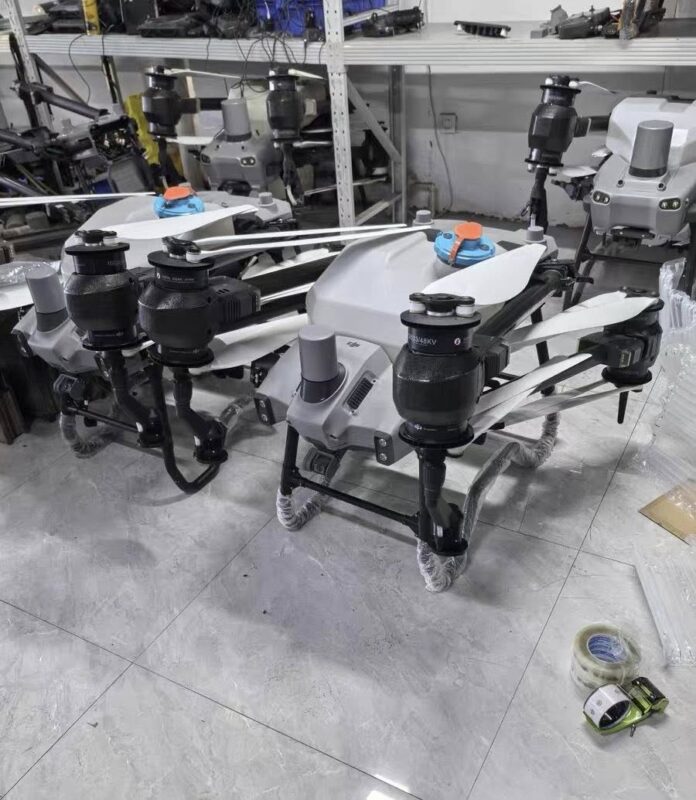
What Is the Best Agricultural Drone for Farming?
Let’s talk about something that’s changing farming in a big way.
Not tractors. Not machines in the field.
I’m talking about agricultural drones.
You know, those flying machines that spray crops, map farms, and help farmers save time and money.
If you’ve ever stood in a large field and thought, “There has to be an easier way to do this…” — then you’re already halfway to understanding why these drones matter.
And here’s the big question people keep asking:
What is the best agricultural drone for farming?
Let’s break it down in a very simple way.
🌾 First, What Does an Agricultural Drone Do?
Before we talk about the “best” drone, let’s understand what it actually does.
An agricultural drone is basically a smart flying helper for farms.
It can:
- Spray crops with fertilizer or pesticide
- Cover large fields quickly
- Reduce manual labor
- Help protect crops from disease
- Improve farming efficiency
Imagine this…
Instead of spending hours walking through a field with heavy spraying equipment, you just fly a drone over it and let it do the job in minutes.
That’s the real power of it.
And honestly, once farmers try it, they rarely go back.
🚀 So… What Is the Best Agricultural Drone for Farming?
Here’s the truth:
There is no single “perfect” drone for everyone.
But there are top-performing models that farmers around the world trust.
The best agricultural drone usually depends on:
- Farm size
- Crop type
- Budget
- Spray capacity
- Battery life
- Ease of use
But if we look at modern farming in 2026, the most powerful and widely used options are from the DJI Agras series, available through trusted suppliers like DJI Agri Drones.
Let’s break it down like a real farmer would think.
🌱 Top Agricultural Drone Features You Should Look For
Before you buy any drone, don’t rush.
Here’s what actually matters.
1. Spray Capacity
This tells you how much liquid the drone can carry.
Bigger farms need bigger tanks.
If the capacity is small, you’ll waste time refilling again and again.
2. Battery Life
This is a big one.
A strong drone should work longer in the field without stopping every few minutes.
More flight time = more land covered = more productivity.
3. Coverage Speed
Some drones can spray several acres in a very short time.
That’s a game changer for large farms.
4. Easy Controls
Let’s be honest.
If a drone is too complicated, it becomes useless.
The best ones are simple to fly, even for beginners.
5. Durability
Farming is not easy on equipment.
Dust, heat, and long working hours can damage weak drones.
You want something strong and built for real farm conditions.
🚜 Why Farmers Are Switching to Agricultural Drones
Let’s slow down for a second.
Think about traditional farming.
Workers walking through fields.
Spray tanks on their backs.
Long hours under the sun.
It’s tiring. Slow. And sometimes risky.
Now compare that with a drone:
- Faster spraying
- Less labor needed
- More precise coverage
- Lower long-term cost
- Less chemical waste
It feels like moving from manual work to smart work.
And that’s exactly what’s happening all over the world.
🌍 Real Farming Story (Simple Example)
Imagine a rice farmer with 50 acres of land.
Before drones, it takes days of hard work to spray everything.
Workers get tired. Some areas are missed. Chemicals are uneven.
Now imagine using an agricultural drone.
In a few hours, the entire farm is covered evenly.
No stress. No delay. No guesswork.
That’s why more farmers are switching every year.
And that’s also why companies like DJI Agri Drones are becoming popular in the farming world.
🚁 Popular Agricultural Drone Types
Let’s keep it simple.
There are usually three main types:
1. Crop Spraying Drones
These are the most common.
They spray fertilizer and pesticides on crops.
2. Mapping Drones
They scan farms and give data about crop health.
3. Multi-purpose Drones
These can do both spraying and mapping.
For most farmers, spraying drones are the most useful.
💡 How to Choose the Best Agricultural Drone for Your Farm
Here’s a simple way to decide.
Ask yourself:
👉 How big is my farm?
Small farms don’t need massive drones.
👉 What crops do I grow?
Rice, corn, wheat, and vegetables all need different spraying needs.
👉 What is my budget?
Good drones are an investment, not just a cost.
👉 Do I need support and spare parts?
Always choose a supplier that offers help and maintenance.
That’s why many farmers prefer trusted suppliers like DJI Agri Drones for long-term support.
⚙️ Benefits of Using Agricultural Drones
Let’s make this very clear.
Here’s what farmers gain:
- Save time
- Reduce labor costs
- Improve crop health
- Increase yield
- Spray with accuracy
- Reduce chemical waste
It’s not just about technology.
It’s about making farming easier and smarter.
❓ FAQs About Agricultural Drones
1. What is the best agricultural drone for farming?
The best drone depends on your farm size and needs, but DJI Agras models are among the most trusted for crop spraying and large-scale farming.
2. Are agricultural drones worth it?
Yes. They save time, reduce labor costs, and improve crop spraying accuracy.
3. How much land can an agricultural drone cover?
Some advanced drones can cover several acres per hour depending on battery life and tank size.
4. Do I need training to use an agricultural drone?
Basic training helps, but most modern drones are designed to be simple and easy to operate.
5. Where can I buy agricultural drones?
You can buy them from trusted suppliers like DJI Agri Drones, which specialize in farming drone solutions.
🌾 Final Thoughts
Farming is changing fast.
And honestly, it’s not just about working harder anymore.
It’s about working smarter.
Agricultural drones are not just tools — they are becoming part of modern farming life.
If you’re thinking about improving your farm, saving time, and getting better results, then exploring options from DJI Agri Drones is a strong step forward.
Because in today’s world, the best farmers are not the ones who work the hardest…
They are the ones who use the right tools.