
Drone Spraying vs Manual Spraying: Which Farming Method Is Better in 2026?
Drone Spraying vs Manual Spraying
For many farmers, spraying crops has always been one of the hardest jobs on the farm.
You wake up early. The field is wet. The spray tank is heavy. The weather is hot. And before the day even reaches noon, your back already hurts.
If you’ve ever done manual spraying before, you understand exactly what that feels like.
But farming is changing now. Fast.
Across rice farms, corn fields, wheat farms, and even vegetable gardens, more farmers are switching from manual spraying to agricultural drones.
And honestly, once you see the difference, it becomes very hard to go back.
So today, let’s talk about the real question many farmers are asking:
👉 Drone spraying vs manual spraying — which one is actually better?
We’ll keep this simple, honest, and practical.
What Is Manual Spraying?
Manual spraying is the traditional way farmers spray crops.
Usually, it involves:
- Carrying a backpack sprayer
- Walking through the field
- Spraying pesticides or fertilizer by hand
For decades, this has been the normal method in farming.
And to be fair, it still works.
Many small farms around the world still depend on manual spraying every day.
But here’s the thing…
As farms grow larger and labor becomes more expensive, manual spraying is becoming slower, harder, and less efficient.
That’s where drone spraying comes in.
What Is Drone Spraying?
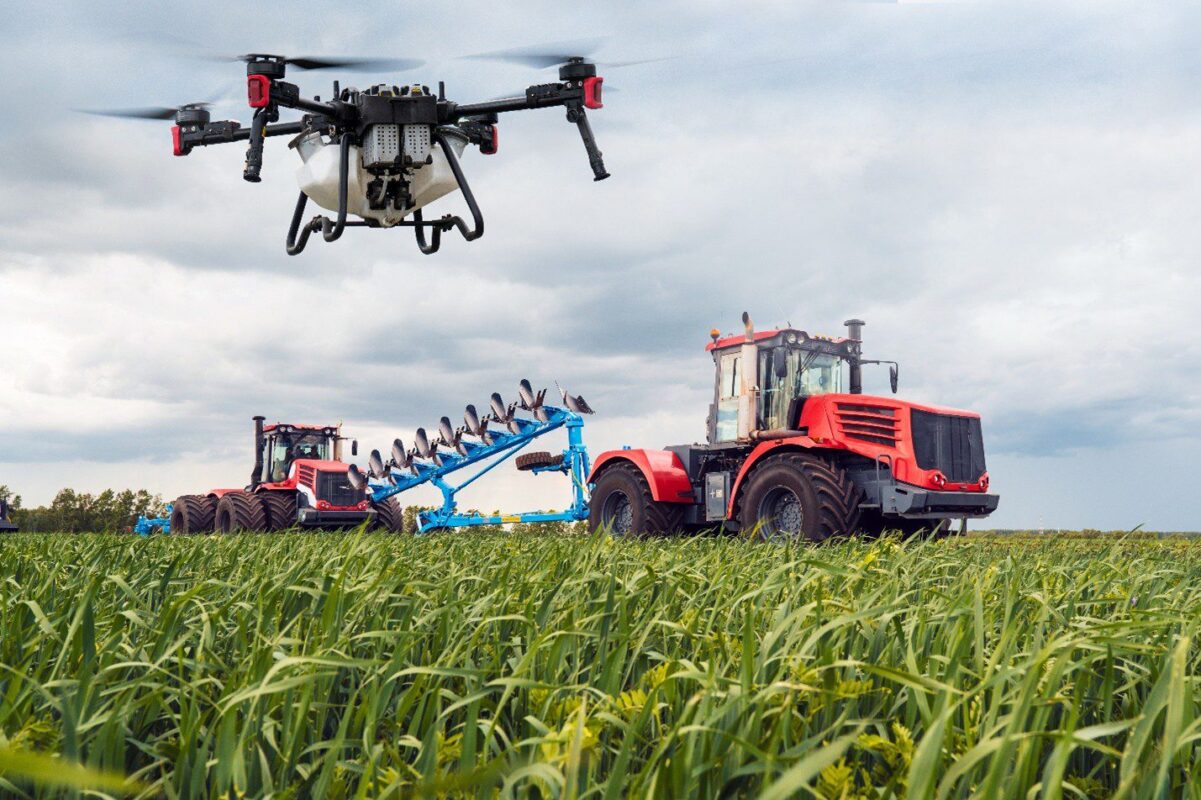
Drone spraying uses agricultural drones to spray crops from the air.
Instead of carrying chemicals on your back, the drone flies over the field and sprays evenly using GPS-guided technology.
Modern agricultural drones like those found at DJI Agri Drones are designed specifically for:
- pesticide spraying
- fertilizer spraying
- crop protection
- precision farming
And honestly, the technology is impressive.
The drone flies in straight lines, avoids overlap, and sprays crops much faster than a person walking through the field.
The Real Problem With Manual Spraying
Let’s imagine a farmer named Peter.
Peter owns a rice farm. Every spraying season feels the same.
He wakes up early, mixes chemicals, straps the tank to his back, and walks for hours through muddy fields.
By afternoon:
- he’s exhausted
- his clothes are soaked
- chemicals are on his skin
- and half the field still remains
Now imagine doing that for years.
That’s the reality many farmers still face today.
Manual spraying may be familiar, but it comes with serious challenges.
Drone Spraying vs Manual Spraying: Side-by-Side Comparison
When farmers compare drone spraying vs manual spraying, the difference becomes clear very quickly. One method depends on hard physical labor, while the other uses smart farming technology to save time and improve efficiency.
Here’s a simple side-by-side comparison to help you understand which method works better for modern farming.
| Feature | Drone Spraying | Manual Spraying |
|---|---|---|
| Speed | Covers large fields quickly | Slow and time-consuming |
| Labor Needed | Usually one operator | Often requires several workers |
| Spray Accuracy | GPS-guided precision spraying | Uneven spraying is common |
| Chemical Waste | Lower chemical waste | Higher chance of over-spraying |
| Farmer Fatigue | Very little physical effort | Physically exhausting |
| Health Safety | Less chemical exposure | Direct exposure to chemicals |
| Coverage Per Day | 100–400+ acres possible | Limited acreage daily |
| Field Access | Works well in muddy or wet fields | Difficult in rice and muddy farms |
| Long-Term Cost | Saves money over time | Ongoing labor costs |
| Environmental Impact | More eco-friendly spraying | More runoff and waste |
| Technology Level | Advanced precision agriculture | Traditional farming method |
| Best For | Medium and large farms | Small farms and gardens |
Why Farmers Are Switching to Agricultural Drones
Across the world, more farms are adopting spraying drones every year.
Why?
Because farmers want:
- faster work
- less stress
- better crop results
- lower labor dependence
Agricultural drones are no longer “future technology.”
They are becoming normal farming tools.
Companies like DJI Agri Drones are helping farmers move into this new style of farming with modern spraying drone systems designed for large-scale agriculture.
Best Crops for Drone Spraying
Drone spraying works especially well for:
- rice farming
- wheat farming
- corn farms
- soybean fields
- cotton farming
- vegetable farms
Rice fields benefit the most because muddy conditions make manual spraying very difficult.
When Manual Spraying Still Makes Sense
Now let’s be fair.
Manual spraying is not completely useless.
For:
- very small farms
- home gardens
- tight budgets
…it can still work well.
Some farmers simply do not need a large agricultural drone yet.
And that’s okay.
But once farm size increases, drones usually become much more practical.
Common Mistakes Farmers Make With Drone Spraying
Switching to drones is exciting, but mistakes happen too.
Poor flight planning
Bad routes waste battery and chemicals.
Wrong spray settings
Too much spray can damage crops.
Flying in strong wind
Wind affects spray accuracy.
Ignoring maintenance
Dirty nozzles reduce performance.
Training matters a lot when using agricultural drones.
The Future of Crop Spraying
Here’s the exciting part.
Drone farming is only getting started.
Soon, spraying drones will:
- detect crop disease automatically
- spray only damaged areas
- connect with AI farm systems
- work with weather forecasting
Imagine this.
A drone scans the field, detects pests, and sprays only where needed.
That future is already starting to happen.
Why Precision Agriculture Matters
Precision agriculture simply means:
👉 using technology to farm smarter
Instead of spraying everywhere blindly, drones help farmers:
- target specific areas
- reduce waste
- improve efficiency
And in modern agriculture, efficiency matters more than ever.
Real Story: One Drone Changed Everything
Let’s go back to Peter for a moment.
After years of manual spraying, he finally decides to try a drone.
At first, he feels nervous.
“Can this thing really replace all my hard work?”
But after one spraying session, everything changes.
The drone finishes the field quickly.
The spray looks even.
Peter isn’t exhausted.
For the first time in years, spraying day doesn’t feel painful.
That’s the moment many farmers realize:
👉 this technology is not just convenient
👉 it’s transformational
Helpful Resources for Farmers
If you want to learn more about agricultural drones and precision farming, explore these pages:
- DJI Agri Drones Homepage
- Agricultural Drone Category Page
- Frequently Asked Questions
- About DJI Agri Drones
Frequently Asked Questions
1. Is drone spraying better than manual spraying?
For medium and large farms, yes. Drone spraying is faster, more accurate, and less physically demanding.
2. How many acres can a spraying drone cover?
Some agricultural drones can spray 100–400 acres per day depending on field conditions and drone size.
3. Does drone spraying save chemicals?
Yes. Precision spraying helps reduce waste and improves efficiency.
4. Is drone spraying expensive?
The initial cost is higher than manual spraying, but many farmers save money long term through lower labor and chemical costs.
5. Can drones spray rice fields?
Yes. Rice farming is one of the best uses for agricultural spraying drones because wet fields are difficult to access manually.
6. Are agricultural drones hard to use?
Modern drones are becoming easier to operate, especially with GPS automation and training support.
Final Thoughts
So, drone spraying vs manual spraying — which is better?
Honestly, it depends on the farm.
For small farms with limited budgets, manual spraying may still work.
But for farmers looking to:
✔ save time
✔ reduce labor
✔ improve spray accuracy
✔ protect their health
✔ increase efficiency
…drone spraying is clearly changing the game.
And as technology continues improving, agricultural drones are becoming one of the most important tools in modern farming.
That’s why more farmers are turning to advanced solutions like DJI Agri Drones to improve the way they farm every season.